The global hospitality sector is undergoing a massive paradigm shift. High-net-worth travelers are no longer content with standard five-star hospitality that ignores the surrounding habitat. The contemporary traveler demands environmental responsibility integrated seamlessly with high-end comfort. This detailed guide explores the absolute pinnacle of sustainable tourism, highlighting the premier destinations where ultra-luxury encounters cutting-edge ecological preservation.
The Evolution of Sustainable High-End Hospitality
For a long period, green travel was synonymous with rustic accommodations, limited power, and minimalist amenities. That compromise is entirely gone. Today, the world’s most exclusive properties are pioneering regenerative architectural designs, zero-waste gastronomy, and localized socio-economic support systems without sacrificing a single aspect of premium hospitality.
These elite sanctuaries show that true high-end hospitality does not damage the earth; instead, it actively heals it. From private island sanctuaries powered entirely by solar grids to remote jungle lodges that fund extensive marine protection zones, these properties represent the absolute peak of modern travel.
Core Criteria Defining a Premium Eco-Resort
To truly rank among the global elite in sustainable luxury, a property must go far beyond eliminating single-use plastics or asking guests to reuse towels. The evaluation framework relies on several rigorous pillars:
Architectural Harmony and Construction Materials
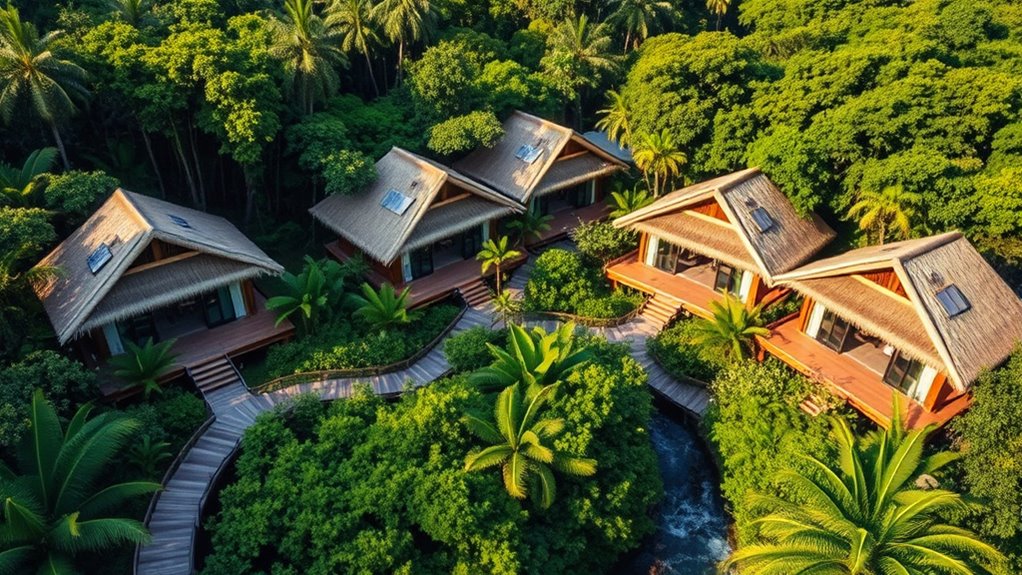
A. Zero-Impact Infrastructure: Buildings must be constructed around existing root systems, trees, and natural topography rather than clearing the land. B. Reclaimed and Local Materials: Utilization of certified sustainable bamboo, local stone, and reclaimed timber directly lowers the embodied carbon footprint. C. Passive Thermal Control: Smart architectural design utilizes natural airflow and thermal massing to minimize the need for high-energy air conditioning systems.
Energy and Resource Independence
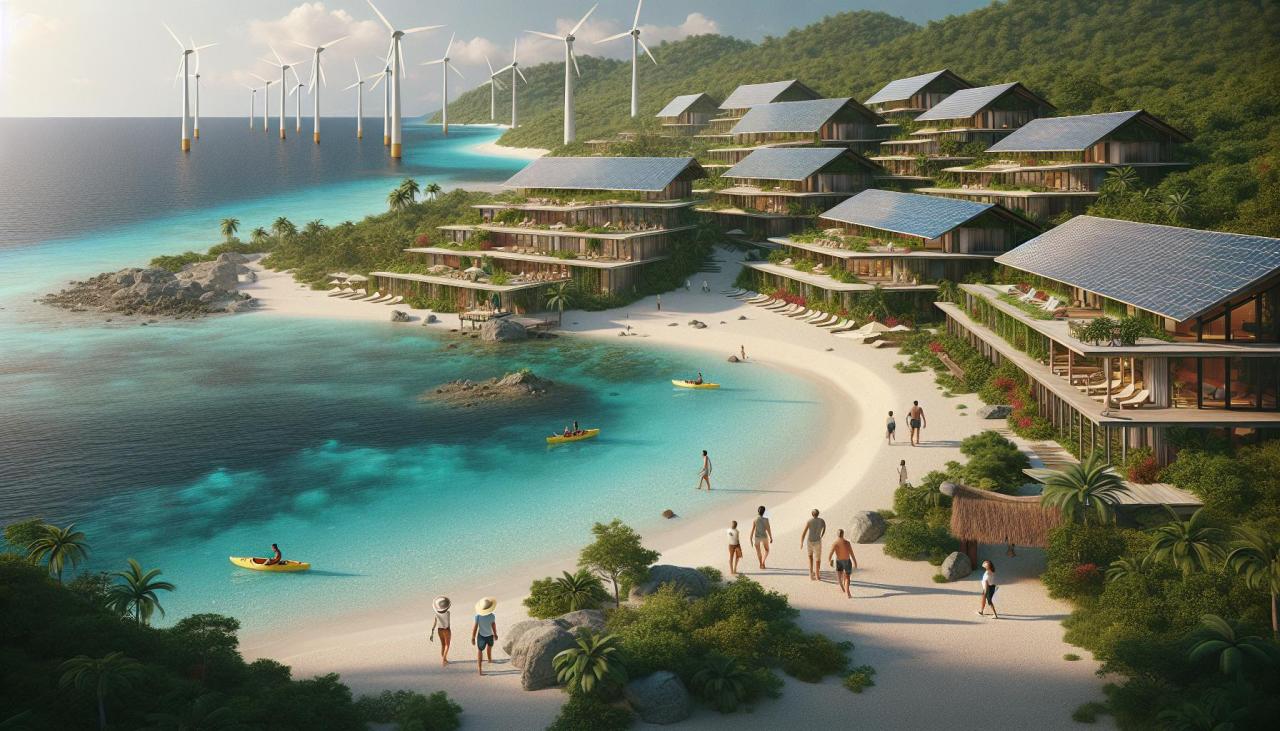
A. Renewable Grids: Total reliance on massive off-grid solar arrays, deep-sea water cooling, or micro-hydroelectric turbines. B. Closed-Loop Water Management: Advanced filtration systems that treat greywater for landscape irrigation and harvest rainwater to protect delicate local aquifers. C. Carbon-Neutral Operations: Achieving a net-zero carbon footprint through direct energy reduction and verified regional reforestation programs.
Socio-Ecological and Community Integration
A. Local Wealth Creation: Ensuring the vast majority of the resort staff consists of local citizens provided with living wages, continuous training, and leadership opportunities. B. Cultural Preservation: Protecting and honoring the traditions, arts, and heritage of the indigenous communities surrounding the resort. C. Direct Conservation Funding: Allocating a significant portion of nightly room revenues directly to wildlife preservation, marine protection, or habitat restoration.
Global Profiles: The Elite Eco-Resorts of the World
1. Misool Eco Resort (Raja Ampat, Indonesia)
Tucked away in the remote, ultra-biodiverse waters of Southern Raja Ampat, Misool is an absolute masterpiece of conservation masquerading as a private island paradise. It sits directly inside a 1,200-square-kilometer Marine Protected Area that the resort owners helped establish.
+-------------------------------------------------------------+
|                     MISOOL ECO RESORT                       |
+-------------------------------------------------------------+
| Location: Southern Raja Ampat, Indonesia                    |
| Primary Focus: Marine Conservation & Reef Restoration       |
| Construction: 100% Reclaimed Tropical Hardwood              |
+-------------------------------------------------------------+
Accommodations and Guest Experience
The overwater villas and beachside cottages are handcrafted entirely from salvaged tropical hardwood, gathered from fallen trees and local construction waste. Guests wake up to the sight of pristine coral reefs visible directly through floor-to-ceiling glass doors, with immediate access to some of the richest diving sites on earth.
Sustainability Initiatives
A. The Misool Rangers: The property funds a dedicated anti-poaching patrol that guards the surrounding marine reserve, which has led to a 250% increase in shark and food fish populations over the past decade. B. Reef Restoration: On-site marine biologists operate continuous coral nursery programs, allowing guests to actively participate in transplanting damaged reefs. C. Community Development: The Misool Foundation builds local schools, manages waste recycling programs across neighboring islands, and creates stable alternatives to destructive fishing practices.
2. Soneva Fushi (Baa Atoll, Maldives)
As the pioneer of the “No News, No Shoes” barefoot luxury philosophy, Soneva Fushi remains the gold standard for sustainable island living. Located within the UNESCO Biosphere Reserve of the Baa Atoll, this vast resort proves that massive luxury villas can co-exist with untouched jungle foliage.
+-------------------------------------------------------------+
|                     SONEVA FUSHI                            |
+-------------------------------------------------------------+
| Location: Baa Atoll, Maldives                               |
| Primary Focus: Waste-to-Wealth & Solar Microgrids           |
| Unique Feature: Soneva Art & Glass Studio                   |
+-------------------------------------------------------------+
Accommodations and Guest Experience
The multi-bedroom residential villas are massive structures built into the natural jungle canopy. Many feature private saltwater swimming pools, waterslides winding from upper decks directly into the ocean, and retractable roofs for stargazing.
Sustainability Initiatives
A. Eco Centro Waste-to-Wealth: This facility processes over 90% of the resort’s solid waste. Organic matter becomes fertile compost for the vast vegetable gardens, while glass waste is melted down and upcycled into beautiful artwork at the on-site glass studio. B. Massive Solar Investment: Soneva operates one of the largest solar power plants in the Maldives, drastically curbing the reliance on diesel generators. C. Soneva Foundation: Funded by a carbon levy on guest stays, the foundation finances global projects including forest restoration in Thailand and clean cookstove distributions in developing countries.
3. Shinta Mani Wild (Kirirom National Park, Cambodia)
Designed by the visionary architect Bill Bensley, Shinta Mani Wild is an adrenaline-fueled, high-design luxury tented camp suspended directly over wild river rapids and waterfalls. It sits inside a critical wildlife corridor connecting three major Cambodian national parks.
+-------------------------------------------------------------+
|                    SHINTA MANI WILD                         |
+-------------------------------------------------------------+
| Location: Cardamom Mountains, Cambodia                      |
| Primary Focus: Anti-Poaching & Wildlife Protection          |
| Arrival Experience: 400-Meter Zip-line Over a Waterfall     |
+-------------------------------------------------------------+
Accommodations and Guest Experience
Fourteen custom-designed luxury tents are perched on high stilts above the rushing waters, ensuring zero disruption to migratory paths for wild elephants and leopards. The interior decor transports guests back to the golden era of exploration, complete with hand-hammered copper bathtubs positioned out on the open-air viewing decks.
Sustainability Initiatives
A. Combatting Illegal Logging and Poaching: The resort partners directly with the Wildlife Alliance NGO, funding a dedicated ranger station on the property. Guests can join these armed rangers on daily patrols to clear illegal snares and stop poachers. B. Zero-Tree-Cut Policy: The entire property was built without cutting down a single standing tree, utilizing intricate boardwalk networks to weave around the dense jungle canopy. C. Hyper-Local Foraged Gastronomy: The culinary team relies heavily on wild plants, roots, and mushrooms safely foraged from the surrounding valley, celebrating traditional Cambodian forest cuisine.
4. The Brando (Tetiaroa, French Polynesia)
Located on the private atoll of Tetiaroa, which was originally purchased by Marlon Brando, this resort is an absolute marvel of eco-technological innovation. It operates as a fully carbon-neutral luxury enclave, proving that large-scale premium resorts can run cleanly.
+-------------------------------------------------------------+
|                       THE BRANDO                            |
+-------------------------------------------------------------+
| Location: Tetiaroa Atoll, French Polynesia                 |
| Primary Focus: Carbon-Neutrality & Sea Water Air Conditioning|
| Science Hub: Ecostation Research Lab                        |
+-------------------------------------------------------------+
Accommodations and Guest Experience
Thirty-five spectacular beachside villas line the white sands of the lagoon. Each villa features a private plunge pool, outdoor dining pavilions, and luxurious deep-soaking bathtubs set amidst indigenous tropical plants.
Sustainability Initiatives
A. Sea Water Air Conditioning (SWAC): The resort’s primary cooling system pumps deep, cold ocean water from 3,000 feet beneath the surface to provide energy-efficient air conditioning across all buildings, slashing cooling energy consumption by up to 90%. B. Solar and Biofuel Independence: Power is generated via thousands of solar panels lining the island airstrip, supplemented by a generator running on locally sourced coconut oil. C. The Tetiaroa Society Ecostation: The resort hosts an advanced research facility where international scientists conduct vital studies on coral reef resilience, ocean acidification, and marine bird populations.
5. Islas Secas (Chiriquí Gulf, Panama)
Scattered across an untouched archipelago off Panama’s wild Pacific coast, Islas Secas is a secluded playground of coral reefs and golden sand beaches where conservation dictates every operational choice.
+-------------------------------------------------------------+
|                      ISLAS SECAS                            |
+-------------------------------------------------------------+
| Location: Chiriquí Gulf, Panama                             |
| Primary Focus: 100% Solar Operation & Local Reclaimed Water |
| Nature: Marine Playground & Whale Calving Sanctuary         |
+-------------------------------------------------------------+
Accommodations and Guest Experience
The resort limits its capacity to a tiny handful of individual casitas, ensuring a deeply private guest experience. The architectural language features soaring bamboo roofs, outdoor showers, and expansive view decks that look directly onto the protected marine waters of the gulf.
Sustainability Initiatives
A. Total Solar Array Power: A state-of-the-art 300-meter solar array generates 100% of the electricity required to power the entire island infrastructure. B. Complete Water Reclamation: Every single drop of wastewater produced by guests is treated on-site through advanced filtration systems and safely repurposed for landscape irrigation. C. The Islas Secas Foundation: This heavily funded philanthropic wing supports regional education initiatives, funds humpback whale tracking research, and maintains strict protection for the surrounding marine ecosystem.
The Strategic Business Blueprint for Green Hospitality
Building and operating a high-end eco-resort is an incredibly sound business strategy that drives long-term profitability. These properties tap into a fast-growing market segment that values sustainability over simple consumerism.
                          [ ECO RESORT ROI CYCLE ]
                                      |
                     (Premium Sustainable Experiences)
                                      |
                   [Attracts Affluent Conscious Consumers]
                                      |
                     (Willingness to Pay Higher Rates)
                                      |
                 [Drives Consistent Long-Term Profitability]
High-Margin Guest Spending Patrons
Affluent travelers show a strong willingness to pay significantly higher nightly rates when they see clear proof that their money directly supports habitat conservation and native communities. This allows green resorts to maintain exceptional profit margins even during global travel market fluctuations.
Slashing Long-Term Operational Overhead
While installing massive solar arrays, deep-sea water cooling loops, and organic waste systems demands a high upfront investment, it protects the resort from volatile fossil fuel markets. Over a long operational lifecycle, moving away from expensive diesel fuel generation creates massive operational cost savings.
Strengthening Brand Loyalty and PR Impact
Properties that maintain authentic, third-party certified green standards naturally generate incredible organic public relations. Travelers become deeply vocal brand ambassadors, sharing their meaningful travel experiences on social media and creating continuous word-of-mouth marketing that drastically lowers standard advertising costs.
Key Sustainability Certifications in the Travel Sector
With the rise of travel marketing, conscious consumers must learn to separate authentic green properties from superficial greenwashing. Trustworthy global eco-resorts proudly display strict, independent third-party certifications:
EarthCheck Certification
A. Scientific Rigor: This is widely recognized as the world’s leading scientific benchmarking and certification program for travel and tourism. B. Monitored Metrics: EarthCheck measures real data across energy use, greenhouse gas emissions, potable water preservation, and solid waste management.
LEED Platinum and Gold Ratings
A. Architectural Design: Administered by the U.S. Green Building Council, the Leadership in Energy and Environmental Design rating evaluates structural design and construction efficiency. B. Worldwide Standard: Achieving a Platinum or Gold rating confirms a resort utilizes highly advanced sustainable infrastructure practices.
B-Corporation Status
A. Total Corporate Accountability: This demanding certification assesses the entire legal and operational fabric of a company. B. Equal Importance: It proves that a resort legally balances financial returns with social equity, employee welfare, and verified environmental protection.
Future Trends Shaping Eco-Luxury Stays
As the hospitality landscape advances, several major innovations are redefining the crossover between absolute comfort and true environmental stewardship:
Fully Regenerative Gastronomy
A. Hyper-Local Farming: Elite eco-resorts are replacing global food supply chains with organic farms located directly on the property, introducing a hyper-local approach to fine dining. B. Zero-Waste Kitchens: Chefs use advanced composting systems, nose-to-tail cooking, and meticulous menu planning to eliminate food waste completely.
Next-Gen Off-Grid Automation
A. AI-Driven Energy Conservation: Smart energy systems use predictive artificial intelligence to adjust room lighting, cooling, and water heating based on real-time guest habits and weather patterns. B. Electric Transit Fleets: Resorts are converting their entire transport infrastructure—including airport shuttles, internal carts, and marine excursion boats to fully electric, solar-charged fleets.
Immersive Citizen Science Journeys
A. Hands-On Conservation Stays: Guests are moving beyond casual relaxation to actively participate in scientific field research alongside resident experts. B. Active Field Contributions: Activities include tracking endangered wildlife, cataloging coral reef health, and planting native trees to rebuild degraded habitats.
Essential Travel Tips for Mindful Explorers
To maximize the positive impact of an upcoming trip to a premium eco-resort, consider incorporating these simple guidelines into your journey:
Choosing Responsible Transport Options
A. Direct Airline Routing: Select direct flight itineraries whenever possible, as a major portion of a plane’s carbon emissions occurs during takeoff and landing. B. Carbon Offsetting Programs: Purchase verified carbon offsets through trusted organizations that invest directly in community-led renewable energy and forest preservation.
Practicing Smart Conservation Habits
A. Respecting Local Water Resources: Be highly mindful of daily water consumption, particularly when visiting dry island environments or delicate coastal ecosystems. B. Using Reef-Safe Sun Protection: Use only certified biodegradable, reef-safe mineral sunscreens to prevent harmful chemical run-off from damaging fragile coral reefs.
Embracing the Local Culture and Economy
A. Supporting Native Crafts: Purchase authentic handmade goods directly from indigenous artisans, ensuring your travel funds directly benefit the local economy. B. Honoring Local Traditions: Take the time to study and respect the customs, dress codes, and cultural etiquette of the destination you are visiting.
Final Thoughts: The New Benchmark of True Travel Luxury
The top eco-resorts highlighted in this guide prove that modern travelers no longer have to choose between rich comfort and strict ecological preservation. By choosing destinations that prioritize renewable energy, zero-waste gastronomy, and deep community support, you can enjoy an unforgettable world-class vacation while contributing directly to the health of our planet. True luxury lies in preserving the beauty of our natural world for generations to come.