
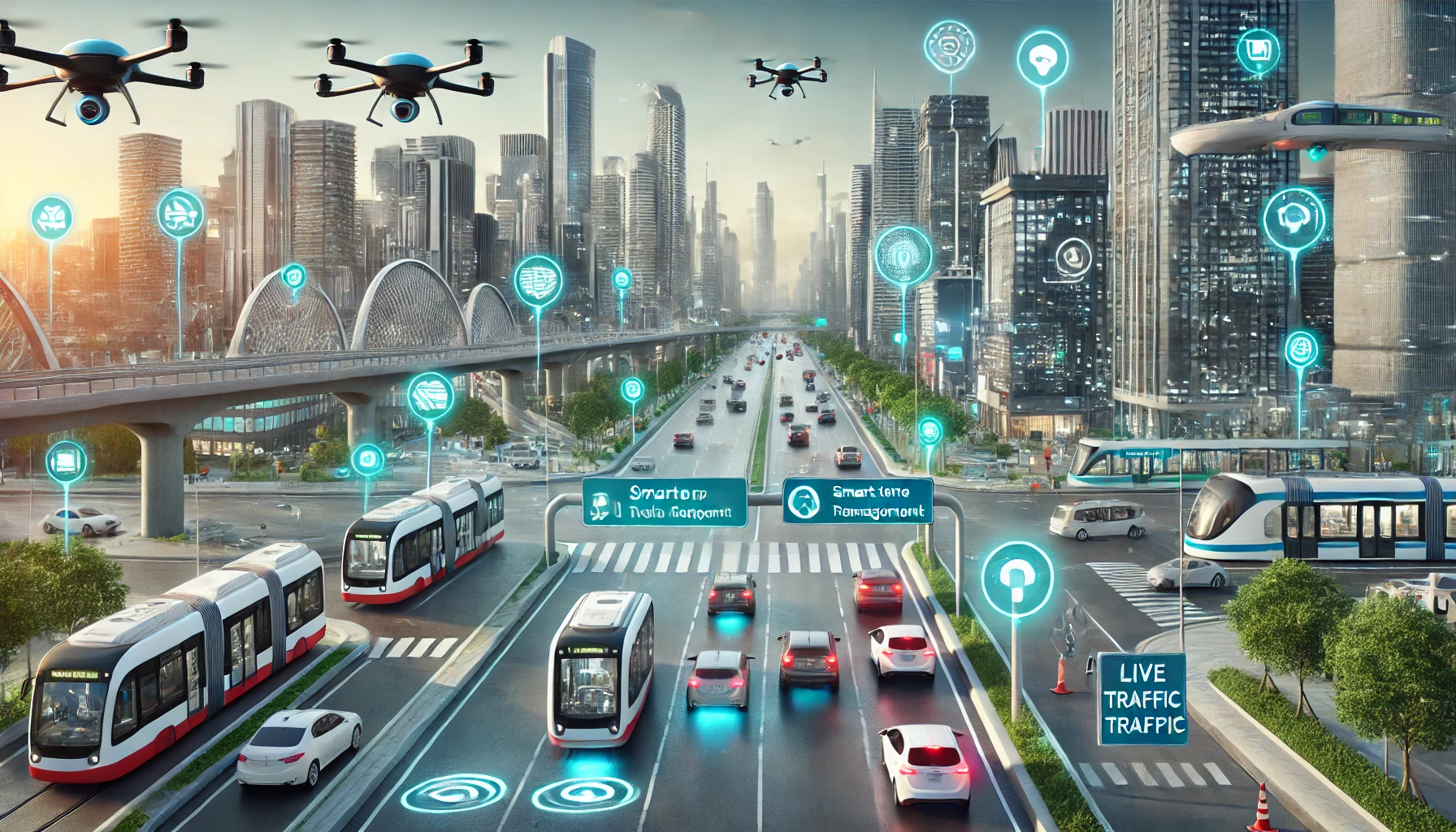
The global travel landscape is undergoing a massive paradigm shift. As urban environments evolve into connected ecosystems, the traditional methods of managing visitor flows have become obsolete. Today, the intersection of urban transportation and visitor experience is governed by a singular, powerful asset: Smart Tourism Mobility Data.
This concept refers to the massive streams of digital information generated when travelers move through a destination. It encompasses GPS coordinates, mobile network pings, transit ticketing records, social media check-ins, and IoT (Internet of Things) sensor logs. For Destination Management Organizations (DMOs), city planners, and hospitality stakeholders, this data is no longer just a technical byproduct—it is the ultimate strategic resource to drive revenue, maximize structural efficiency, and ensure long-term environmental sustainability.
What is Smart Tourism Mobility Data?
To extract the maximum value from your digital assets, it is critical to understand what constitutes this data pool. At its core, Smart Tourism Mobility Data tracks the velocity, trajectory, density, and behavioral patterns of tourists. Unlike general population movement statistics, tourism mobility data isolates non-resident behavior to reveal how visitors interact with local infrastructure.
+-----------------------------------------------------------------+
|               Smart Tourism Mobility Data Sources               |
+-----------------------------------------------------------------+
| [Passive Signals]  -> Cellular Network Triangulation            |
| [Active Signals]   -> GPS Apps, Ride-Hailing, Social Media Maps|
| [Infrastructural]  -> Smart Parking, NFC Transit Gates, IoT     |
+-----------------------------------------------------------------+
|        Result: Real-time spatial-temporal visitor maps          |
+-----------------------------------------------------------------+
By aggregating these data layers, destinations transform from static locations into adaptive environments that respond dynamically to visitor pressure.
The Primary Streams of Mobility Intelligence
Modern telemetry offers unprecedented access to traveler behavior. When building an analytical engine for smart tourism, data scientists pull from several distinct streams, each offering a unique piece of the spatial puzzle:
A. Cellular Network Triangulation
Mobile network operators track when a foreign SIM card or an out-of-town device pings local cell towers. This provides an excellent high-level overview of macro-mobility patterns, showing which towns or districts attract the most foot traffic without requiring active app usage.
B. Satellite GPS and Application Telemetry
Opt-in location data from mapping platforms, ride-hailing services, and travel applications provides precise, micro-level coordinates. This stream allows planners to see exactly which streets tourists walk down, where they stall, and where they bypass points of interest.
C. Smart Infrastructure and Connected Transits
NFC-enabled public transportation gates, automatic license plate recognition (ALPR) cameras at parking facilities, and automated bicycle-sharing docks generate clean, structured transaction data. This reveals how tourists transition between different modes of transport.
D. IoT Environmental Sensors
Physical sensors deployed at major historical monuments, park entrances, and public squares count headers in real time using Bluetooth or Wi-Fi beacon scanning. This is crucial for micro-congestion management.
Core Applications in Destination Management
The commercial value of tracking mobility patterns lies in actionable deployment. DMOs use this data to solve multi-million dollar structural issues while simultaneously boosting the local economy.
| Strategic Use Case | Data Input Sources | Key Economic Benefit |
| Crowd Mitigation | Wi-Fi Beacons, GPS Telemetry | Prevents site degradation, lowers security costs |
| Dynamic Transit Routing | Smart Ticketing, Automated Docks | Reduces fuel waste, boosts municipal transit ROI |
| Hyper-Targeted Retail Adverts | Mobile Geo-fencing, App Pings | Increases tourist spend per capita by up to 35% |
| Asset Maintenance Scheduling | IoT Infrastructure Logs | Extends public infrastructure lifespan |
Maximizing Infrastructure and Crowd Control
Overtourism represents one of the greatest threats to modern heritage sites. When thousands of visitors converge on a singular geographic point simultaneously, the resulting structural stress degrades the asset and diminishes the visitor experience.
High Visitor Volume ---> Real-Time GPS Monitoring ---> Automated Divert Alerts
                                                              |
                                                              v
Result: Balanced Urban Load <--- Rerouted Public Shuttles <---+
Through predictive machine learning models, smart cities analyze historical mobility data alongside variables like local weather forecasts, cruise ship arrival times, and seasonal holidays. If the algorithm forecasts an unsafe density spike at an architectural landmark, the system triggers automated mitigation protocols.
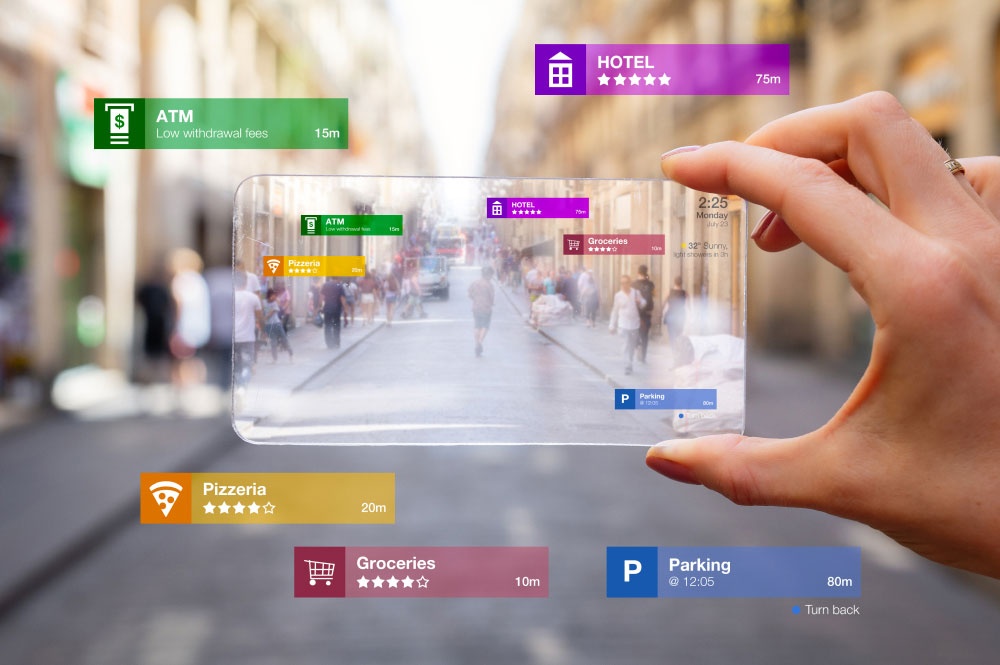
Public shuttle buses are dynamically rerouted, digital street signs display alternative walking paths, and push notifications are sent to tourists’ smartphones offering discounted admission tickets to nearby, under-utilized attractions. This levels the physical load across the city’s infrastructure.
Boosting Local Economies with Spatial Marketing
For commercial enterprises, Smart Tourism Mobility Data serves as an invaluable foundation for localized digital advertising. By understanding the precise pathways tourists navigate, retail brands, restaurants, and experiential providers can execute highly profitable location-based marketing campaigns.
A. Geo-Fenced Advertising Corridors
Businesses can erect virtual perimeters around high-traffic tourist pathways. When a visitor enters this digital boundary, programmatic ad exchanges serve real-time notifications, mobile coupons, or exclusive lunch menus directly to their devices, driving foot traffic to nearby storefronts.
B. Micro-Segmentation for Premium Spenders
Mobility patterns correlate strongly with spending behavior. Data shows that visitors who frequent premium golf courses, boutique hotels, and luxury marinas exhibit distinctly different transit signatures than budget backpackers. Recognizing these travel vectors allows luxury retailers to target high-net-worth individuals with high-conversion promotional assets.
C. Optimized Commercial Real Estate Placement
For hospitality developers and restaurant franchises, historical mobility data eliminates the guesswork involved in site selection. Analyzing years of foot-traffic velocity data ensures that multimillion-dollar investments are placed along paths with guaranteed visitor volume.
Driving Sustainable Transport and Eco-Tourism
Environmental preservation is non-negotiable for future-proofing the travel sector. Incorporating mobility metrics into environmental models helps municipalities drastically shrink their carbon footprints.
A. Perfecting Multi-Modal Transport Nodes
By analyzing where tourists switch from trains to ride-sharing vehicles or micro-mobility options (such as e-scooters), cities can design highly efficient multi-modal transit hubs. Minimizing transition friction encourages tourists to abandon personal or rental vehicles in favor of carbon-neutral public transport networks.
B. Protecting Vulnerable Ecological Sanctuaries
In natural preserves, national parks, and coastal ecosystems, mobility monitoring ensures that human foot traffic remains within safe thresholds. If telemetry shows that tourists are straying from designated trails into protected wildlife zones, rangers can install physical barriers or digital warnings to preserve biodiversity.
C. Incentivizing Off-Peak Exploration
When data identifies structural bottlenecks during peak hours, municipal planners can implement dynamic pricing models on public transits or site entries. Offering free transit or reduced entry fees during off-peak windows spreads environmental impact evenly across the day.
Privacy, Cybersecurity, and Ethical Boundaries
As data collection becomes more pervasive, destinations must navigate the complex landscapes of data privacy regulations and security protocols. Maintaining consumer trust is paramount to the long-term viability of smart tourism frameworks.
Raw Mobility Telemetry ---> Anonymization & K-Anonymity Pipeline ---> Secure Data Repository
                                                                           |
                                                                           v
Compliance Achieved <--- Strictly Aggregated Insights (No PII) <------------+
A. Rigid Compliance with International Legal Standards
Any framework utilizing traveler mobility data must conform strictly to global privacy frameworks, including the European Union’s General Data Protection Regulation (GDPR) and the California Consumer Privacy Act (CCPA). This requires explicit consent mechanisms, transparent data disclosures, and robust opt-out infrastructure within travel applications.
B. Implementing Advanced Anonymization Protocols
To prevent the exposure of Personally Identifiable Information (PII), raw telemetry must undergo intense scrubbing processes. Techniques such as k-anonymity, differential privacy, and data aggregation ensure that individual movements cannot be reverse-engineered or tracked back to a specific person.
C. Fortifying Data Infrastructure Against Cyber Threats
Centralized mobility databases are highly attractive targets for malicious actors. Destination management authorities must employ enterprise-grade cryptographic standards, decentralized ledger systems, and continuous vulnerability assessments to shield their infrastructure from catastrophic data breaches.
Future Horizons: The 2026 Landscape and Beyond
The evolution of smart mobility shows no signs of slowing down. As we move deeper into the decade, several cutting-edge technological integrations are set to redefine the operational parameters of tourist spaces:
A. Generative AI Conversational Travel Agents
Next-generation artificial intelligence platforms will ingest real-time urban mobility feeds to provide hyper-personalized travel advice. Instead of generic itineraries, these agents will dynamically adjust recommendations based on active live congestion data, suggesting venues that are currently uncrowded.
B. Autonomously Managed Transit Webs
Self-driving public transit networks will scale fluidly based on active mobility indicators. If a major cultural festival concludes early, localized fleets of autonomous shuttles will deploy automatically to clear the area, eliminating long queues and customer frustration.
C. Immersive Spatial Previews via AR and VR
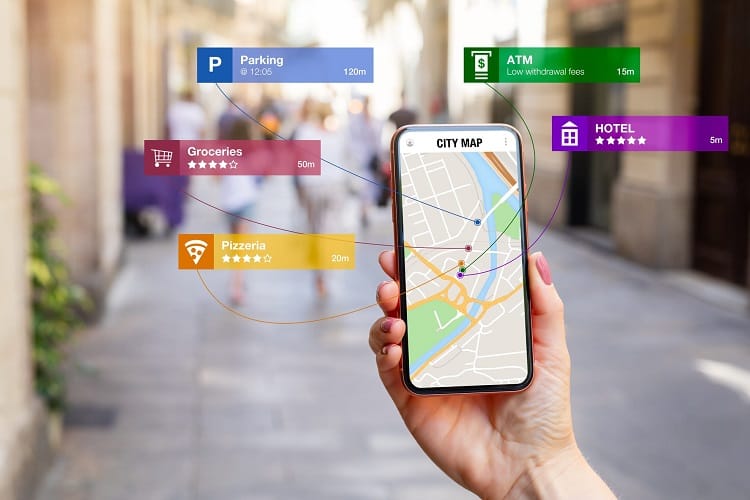
Augmented Reality interfaces will overlay historical and contextual data directly onto the tourist’s physical field of vision as they navigate a city. This integration will rely heavily on precise real-time positioning metrics to provide contextually relevant graphics, transforming the entire city into an interactive museum.
Conclusion: Activating Mobility Insights for Long-Term Success
Smart Tourism Mobility Data is the definitive blueprint for modern destination design. By collecting, analyzing, and deploying these digital coordinates responsibly, global cities can smoothly transition away from reactive crowd mitigation and embrace proactive, automated resource optimization. The destinations that invest heavily in robust mobility analytics today will inevitably capture the highest consumer loyalty, corporate investments, and economic returns tomorrow.