
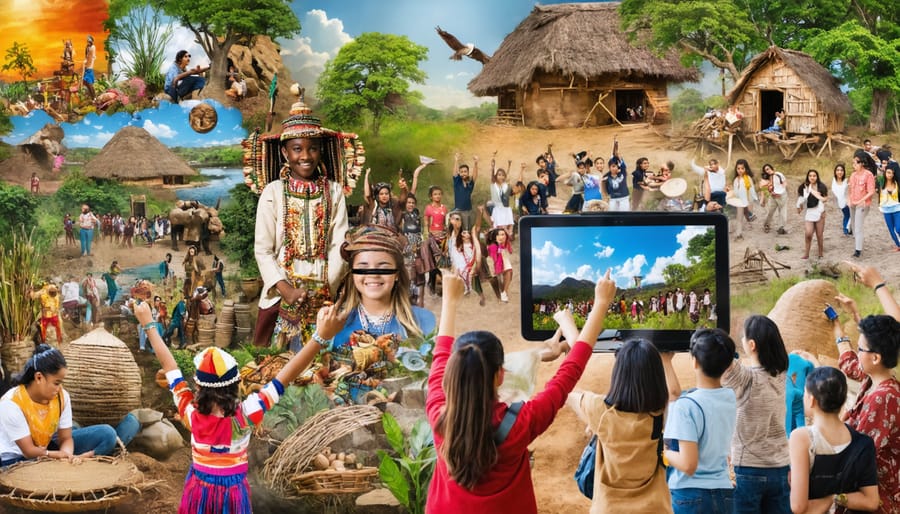
The global travel landscape is shifting dramatically. Modern travelers are no longer satisfied with surface-level sightseeing, crowded tour buses, and sterile luxury hotels. Instead, a profound shift toward experiential travel has emerged, giving rise to one of the most significant hospitality trends of this decade: Authentic Cultural Immersion Stays.
According to data from the Cultural Tourism Market Analysis, nearly 69% of international travelers now actively seek immersive cultural experiences, with over 49% stating a strict preference for authentic community-based accommodations. This movement is not just a passing fad; it is a fundamental transformation in how humans choose to explore the planet, interact with local heritages, and spend their travel capital.
Defining the Phenomenon: What is a Cultural Immersion Stay?
At its core, a cultural immersion stay is an experiential lodging model where the accommodation itself serves as the primary gateway to understanding a destination’s local heritage, traditions, daily life, and human ecosystem. Unlike traditional hotels that isolate guests from their surroundings, immersion stays actively embed travelers within the local social fabric.
These stays can manifest in various formats around the world:
A. Rural Homestays: Living alongside local families in ancestral homes, sharing daily routines, and participating in household responsibilities.
B. Heritage Lodges: Historically preserved structures—such as centuries-old castles, converted monasteries, or traditional estates—managed by keepers of local history.
C. Indigenous Community Eco-Lodges: Accommodations owned, operated, and protected by indigenous populations, designed to safeguard both territorial ecology and ancestral wisdom.
D. Artisan Workshops and Farmsteads: Living spaces integrated into working environments, such as olive farms in Tuscany, organic rice paddies in Bali, or pottery compounds in Japan.
By shifting the hospitality focus from passive consumption to active participation, these stays offer an unfiltered lens into the soul of a community. Travelers stop acting like voyeurs behind a camera lens and instead become temporary members of a global neighborhood.
Why Modern Travelers Reject Traditional Mass Tourism
The exponential rise of cultural immersion stays is a direct reaction to the fatigue caused by corporate, homogenized mass tourism. For decades, the global hospitality industry prioritized predictability. A traveler booking a room in New York, Paris, or Tokyo could expect the exact same room layout, the same continental breakfast buffet, and the exact same polite but transactional customer service.
However, international tourism metrics reveal a growing “digital saturation fatigue.” Travelers spend their working hours staring at hyperlinked screens, navigating algorithmic recommendations, and experiencing life through curated feeds. When they step out into the real world, they crave raw, unscripted human touchpoints. They want journeys that feel handwritten.
Furthermore, the environmental and sociological crises of overtourism have made travelers highly conscious of their footprint. Staying at a multinational resort chain often results in “economic leakage,” where up to 80% of a traveler’s expenditure leaves the host community and flows back to foreign corporate headquarters. Cultural immersion stays completely invert this economic model by ensuring that capital directly finances local families, micro-entrepreneurs, and heritage preservation initiatives.
The Core Pillars of a Genuine Immersion Experience
Not all experiential stays are created equal. As the market expands, discerning travelers must distinguish between highly commercialized “cultural amusement parks” and genuinely authentic encounters. A true, high-quality cultural immersion stay relies on four non-negotiable structural pillars:
1. Local Ownership and Ethical Operational Frameworks
The economic and operational foundation must favor the host community. Genuinely authentic stays are either wholly owned by local families or operated via transparent community-based tourism (CBT) models. This guarantees that decision-making power remains in the hands of the people who actually live in the destination, preserving their dignity and preventing cultural exploitation.
2. Active Intergenerational Knowledge Sharing
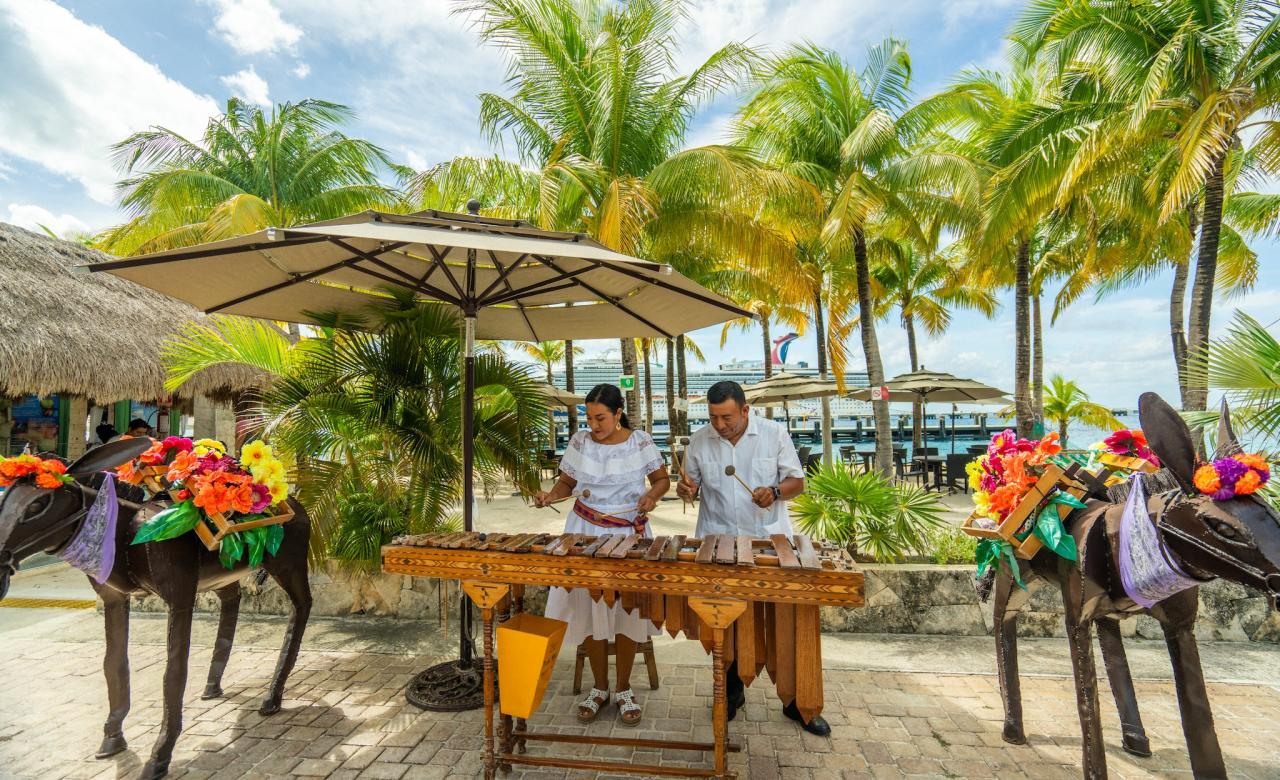
An authentic stay provides explicit opportunities for educational exchange. This does not mean watching a scheduled, staged dance performance at 7:00 PM. Instead, it involves informal, cross-generational knowledge sharing:
A. Learning ancient weaving patterns directly from a grandmother using a traditional backstrap loom.
B. Accompanying a village elder into the jungle or forest to identify medicinal plants and forage for wild ingredients.
C. Listening to oral histories, folklore, and mythological narratives shared around a communal hearth after sundown.
3. Deep Architectural and Material Authenticity
The physical structures of the stay must respect the vernacular architecture of the region. Whether constructed from locally quarried stone, sustainably harvested bamboo, or sun-dried mud bricks, the architecture should reflect centuries of adaptation to the local climate and geography. Interior spaces are adorned with local crafts, ancestral textiles, and handmade utilitarian objects rather than mass-produced corporate decor.
4. Conscious Gastronomy and Culinary Traditions
Food is the ultimate vehicle for cultural transmission. In a true immersion stay, the culinary experience is radically localized, focusing heavily on what experts define as “conscious cuisine”—dishes with deep ancestral stories, prepared using native ingredients sourced directly from backyard gardens or hyper-local markets.
Iconic Examples of Immersion Stays Across the Globe
To fully appreciate the profound depth of these travel experiences, let us analyze four distinct, highly successful models of cultural immersion stays operating globally today:
| Destination | Accommodation Type | Primary Cultural Interaction | Economic and Community Impact |
| Kyoto, Japan | Traditional Ryokan & Machiya | Living by Zen philosophical frameworks, Kaiseki dining rituals, and tatami tea ceremonies. | Direct funding for master carpenters, textile weavers, and traditional culinary artisans facing modernization pressures. |
| The Sacred Valley, Peru | Quechua Andean Homestays | Participating in ancient agricultural rituals (Pachamama offerings) and backstrap weaving workshops. | Supplemental income that funds community medical facilities and bilingual (Quechua-Spanish) schools. |
| Transylvania, Romania | Restored Saxon Heritage Cottages | Exploring medieval architecture, practicing traditional woodcarving, and engaging in low-impact lifestyle rhythms. | Preservation of UNESCO-listed rural landscapes and revitalization of dying European rural craft industries. |
| Oaxaca, Mexico | Indigenous Zapotec Eco-Villages | Learning the complex art of traditional corn nixtamalization, mezcal distillation, and natural botanical dyeing techniques. | Prevention of youth migration to urban centers by creating highly sustainable, well-paid creative hospitality jobs locally. |
The Transformative Psychological Benefits for Travelers
The impact of choosing an immersion stay over a standard resort extends far beyond providing unique content for a travel journal; it fundamentally alters human psychology and cognitive flexibility. Psychological studies focusing on long-term travel consistently demonstrate that deep intercultural contact reduces implicit bias, breaks down xenophobic stereotypes, and dramatically increases emotional empathy.
When you sit across a kitchen table from someone whose language, religion, and geopolitical reality are entirely different from your own—yet you find yourself laughing at the same shared jokes or bonding over the universal challenges of parenting—the illusion of “the other” completely evaporates.
Travelers return to their home countries possessing a renewed sense of global citizenship. They become far more adaptable, more resilient in the face of ambiguity, and uniquely capable of looking at complex global problems through multiple, diverse cultural perspectives.
How to Responsibly Select and Book an Authentic Stay
As corporate greenwashing and “culture-washing” become more prevalent in global travel marketing, independent travelers must exercise rigorous due diligence when planning an experiential trip. Use the following structured methodology to verify the integrity of an immersion stay before committing your financial resources:
Overcoming Challenges: Navigating the Comfort Zone
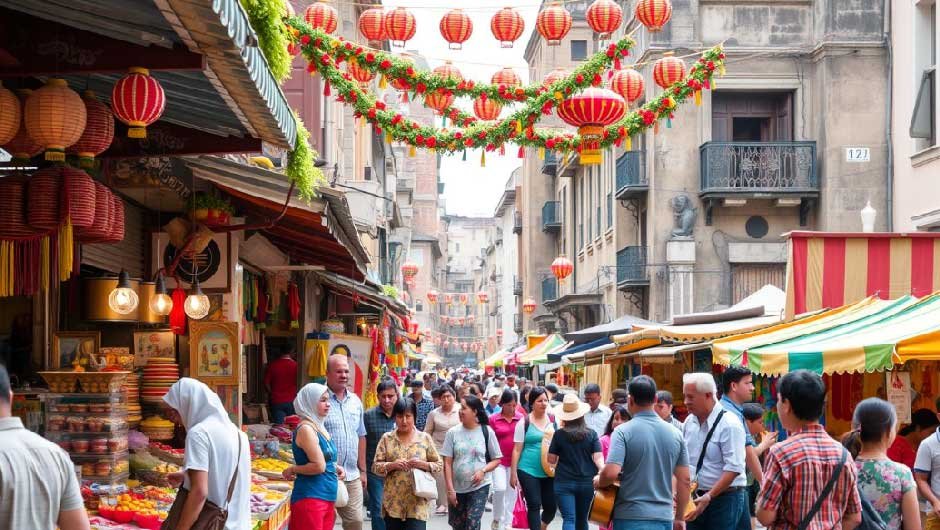
It is vital to approach an authentic cultural immersion stay with a realistic mindset. True authenticity is rarely synonymous with predictable, five-star Western luxury. Stepping into a completely foreign lifestyle requires a conscious willingness to expand your comfort zones and embrace constructive discomfort.
Travelers may encounter significant language barriers, variable plumbing systems, unfamiliar dietary structures, and different definitions of personal space or time synchronization. Rather than viewing these elements as operational failures, successful experiential travelers reframe them as core components of the educational curriculum.
To thrive in these environment, master the art of the “radical pause.” When confronted with a situation that feels confusing, frustrating, or completely alien to your home culture, resist the immediate urge to judge or correct it based on your native cultural biases. Instead, pause, observe quietly, and ask open-minded questions. You will quickly realize that behaviors that seem illogical through a Western lens are completely rational, highly functional adaptations within the local context.
The Future of Travel: Regeneration via Immersion
As the global travel industry marches deeper into the late 2020s, the conversation is rapidly evolving from basic “sustainability” (minimizing negative impacts) toward true regenerative travel (actively leaving a destination noticeably better than you found it). Authentic cultural immersion stays represent the absolute pinnacle of this regenerative movement.
By choosing to step away from insulated tourist bubbles and choosing instead to sleep under the roofs, eat at the tables, and support the dreams of local communities, travelers wield their purchasing power as a force for global good. These stays preserve dying languages, breathe vital economic life into endangered ecosystems, rescue ancient architectural monuments from decay, and build powerful, lifelong bridges of cross-cultural human empathy.
The choice of where you lay your head at night while exploring the world is one of the most impactful decisions you can make as a conscious consumer. Choose depth over distance. Choose connection over convenience. Choose an authentic cultural immersion stay, and discover how real travel can truly change your life.