
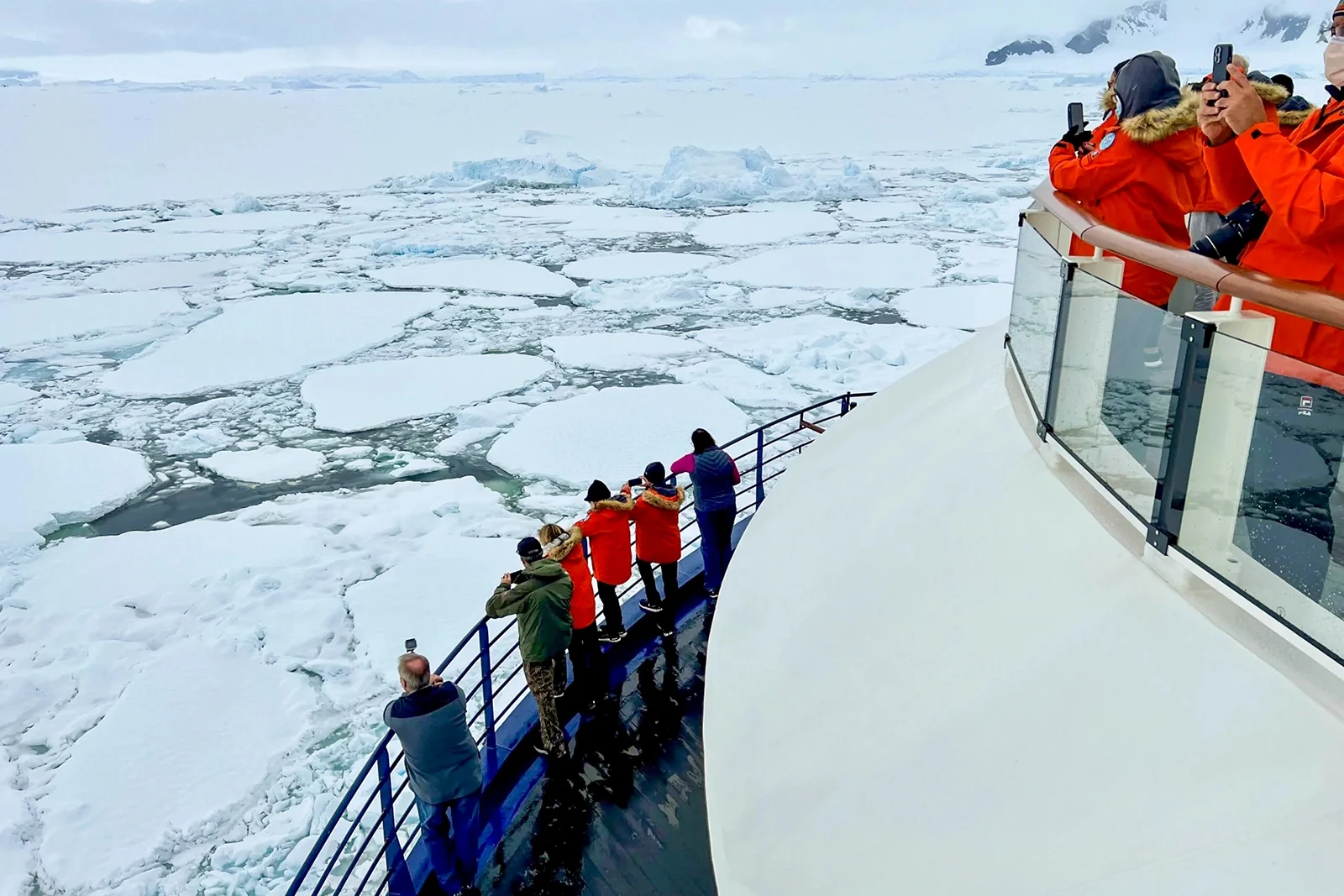
The modern traveler is undergoing a profound shift in mindset. Standard holiday destinations are becoming overcrowded, leading to a massive surge in demand for authentic, untouched, and deeply immersive travel experiences. Enter remote island expedition cruises—the pinnacle of modern adventure tourism. Unlike traditional commercial cruises that pack thousands of passengers into floating amusement parks, expedition cruising focuses on education, raw nature, wildlife conservation, and small-scale maritime exploration.
This comprehensive guide explores why small-ship expeditions to the world’s most isolated archipelagos represent the future of luxury travel, detailing top global destinations, ship technology, packing essentials, and how to choose your once-in-a-lifetime voyage.
What Defines an Expedition Cruise?
To understand the value of this unique travel sector, one must first separate it from standard leisure cruises. Traditional cruise ships function as self-contained resorts, where the destination is often secondary to onboard entertainment, casinos, and massive dining halls. Conversely, an expedition cruise views the ship as a mobile research laboratory and a launching pad for daily discoveries.
The defining characteristics of an authentic expedition voyage include:
A. Small Ship Capacity: Most expedition vessels carry between 50 and 200 passengers. This limited number ensures compliance with strict environmental regulations in fragile ecosystems and allows for seamless, rapid logistics during land excursions.
B. Expert Inclusions: Every journey is guided by an onboard “Expedition Team.” This group consists of marine biologists, geologists, historians, ornithologists, and local cultural experts who provide nightly lectures and accompany guests on every shore landing.
C. Nautical Agility: These vessels are engineered with specialized hulls (often ice-classed) and advanced dynamic positioning systems, allowing them to navigate shallow bays, coral reefs, and narrow fjords that are entirely inaccessible to larger ships.
D. Flexible Itineraries: Nature dictates the schedule. If a pod of killer whales appears or an unexpected storm rolls in, the captain and expedition leader alter the route to maximize safety and wildlife viewing opportunities.
Top Destinations for Remote Island Exploration
The world’s oceans contain hidden pocket ecosystems where evolution has occurred in complete isolation. Reaching these locations requires days of open-ocean navigation, making an expedition ship the only viable method of visitation.
1. The Galápagos Islands, Ecuador
Located roughly 600 miles off the coast of South America, this volcanic archipelago remains the gold standard for wildlife expedition cruising. Because the local animals evolved without natural mammalian predators, they display zero fear of humans. Visitors can snorkel alongside marine iguanas, walk past nesting blue-footed boobies, and sit mere feet away from giant tortoises. Strict park regulations mean only certified small vessels can operate here, ensuring an intimate eco-tourism experience.
2. The Sub-Antarctic Islands of New Zealand and Australia
Often overshadowed by the Antarctic continent itself, the sub-Antarctic islands—including the Snares, Auckland Islands, Campbell Island, and Macquarie Island—are biological hotspots. Known as some of the most wind-swept places on Earth, these remote outposts host millions of penguins, including endemic species like the royal penguin and the erect-crested penguin. They also serve as the primary breeding grounds for massive wandering albatrosses.
3. The Marquesas and Tuamotu Archipelagos, French Polynesia
For travelers seeking tropical isolation combined with rich cultural heritage, the outer rings of French Polynesia offer unmatched beauty. The Marquesas are dramatic, volcanic islands with jagged peaks and no protective coral reefs, forcing ships to drop anchor in deep, primeval bays. Here, expeditions focus on ancient Polynesian archaeological sites, traditional woodcarving, and retracing the steps of artists like Paul Gauguin.
6. Svalbard and the High Arctic, Norway
Positioned deep within the Arctic Circle, the Svalbard archipelago is a land of massive glaciers, deep fjords, and sheer tundra cliffs. Expedition cruises here operate primarily during the summer months when the midnight sun provides 24-hour visibility. The primary objective for most Arctic cruisers is spotting the apex predator of the north: the polar bear. Additionally, guests can observe walruses hauling out on gravel beaches and millions of nesting seabirds along the cliffs of Alkefjellet.

Onboard Life and Advanced Vessel Technology
The ships utilized for remote island exploration are marvels of modern marine engineering. The industry has moved away from converted historical research vessels toward custom-built, ultra-luxury expedition yachts that balance rugged capability with five-star comfort.
Eco-Friendly Engineering Priorities
Sustainability is a core focus of modern expedition lines. Operating in pristine environments demands a minimal ecological footprint. Key technologies include:
A. Dynamic Positioning Systems (DPS): This technology uses satellite tracking, thrusters, and specialized propellers to hold a ship’s position automatically without dropping a physical anchor. This prevents catastrophic damage to delicate coral reefs and sea floors.
B. Hybrid and Electric Propulsion: Leading cruise operators have introduced marine batteries that supplement traditional engines, drastically reducing fuel consumption and minimizing underwater acoustic noise that disturbs marine mammals.
C. Advanced Waste and Water Treatment: Micro-filtration systems clean black and gray water to drinking-water standards before discharge, while onboard incinerators and recycling centers ensure zero solid waste enters the ocean.
The Daily Routine: Lectures and Zodiacs
A typical day on a remote island cruise blends active physical exploration with academic enrichment. Mornings generally begin with an early breakfast followed by the first excursion of the day via Zodiacs—heavy-duty, inflatable rubber boats equipped with outboard motors. These nimble craft allow passengers to land directly on rocky shores, surf beaches, or muddy riverbanks.
Afternoons are split between scenic ship cruising, sea kayaking, polar plunging, or attending science lectures in the ship’s main lounge. Evenings feature a comprehensive briefing where the expedition team reviews the day’s biological findings and previews the upcoming geographical targets for the next morning.
Essential Packing Guide for Remote Voyaging
Packing for an expedition cruise is fundamentally different from preparing for a Caribbean holiday. The environments visited are often unpredictable, shifting from sunny skies to torrential downpours or freezing winds within minutes. The golden rule of expedition packing is high-performance layering.
+-------------------+--------------------------------------------------+
| Layer Type        | Recommended Materials & Items                    |
+-------------------+--------------------------------------------------+
| Base Layer        | Merino wool or synthetic moisture-wicking tops    |
|                   | and bottoms. Avoid cotton completely.            |
+-------------------+--------------------------------------------------+
| Insulation Layer  | Lightweight down jackets, fleece pullovers, or   |
|                   | synthetic fill vests for core warmth.            |
+-------------------+--------------------------------------------------+
| Outer Shell       | GORE-TEX or equivalent waterproof, windproof     |
|                   | breathable jackets and rain pants.               |
+-------------------+--------------------------------------------------+
| Footwear          | High-calf insulated rubber boots (12-16 inches)  |
|                   | with deep traction soles for wet landings.       |
+-------------------+--------------------------------------------------+
| Accessories       | UV-blocking sunglasses, waterproof dry bags,     |
|                   | binoculars (8x42 optimal), and extra batteries.  |
+-------------------+--------------------------------------------------+
How to Choose the Right Expedition Cruise Line
With the rapid expansion of the adventure cruise sector, selecting the appropriate cruise operator depends on your budget, physical fitness, and specific travel goals.
Ranging from Luxury to Deep Science
Different operators cater to distinct styles of exploration. Understanding these nuances ensures your expectations align perfectly with your onboard reality:
A. Luxury Expedition Operators: Brands like Silversea Expeditions, Seabourn, and Scenic Luxury Cruises blend rugged adventure with extreme opulence. Guests enjoy private butler service, fine dining restaurants, spacious suites with private verandas, and onboard helicopters or submarines. These lines are ideal for travelers who want to explore harsh landscapes by day but sleep on Egyptian cotton sheets by night.
B. Scientific and Educational Operators: Companies such as Lindblad Expeditions (in partnership with National Geographic), Hurtigruten, and Quark Expeditions place a heavier emphasis on Citizen Science initiatives. Their vessels feature open-access science labs, hydrophones for listening to whale vocalizations, and underwater remote-operated vehicles (ROVs). The focus here is deep environmental immersion and rigorous field learning.
C. Destination Specialists: Smaller regional companies focus explicitly on one geographic zone. For example, Coral Expeditions provides unparalleled access to the Australian Kimberley and the islands of the South Pacific, utilizing unique custom-designed tender vessels that simplify access to challenging tropical coastlines.
Understanding the True Cost of Exploration
Potential travelers must realize that expedition cruises carry a significantly higher price tag per day compared to standard commercial cruises. Ticket prices often range from $800 to over $3,000 per person per day depending on the destination and cabin tier. However, the value proposition is deeply tied to the inclusive nature of the pricing model.
When analyzing the cost, consider what is built into the base fare. True expedition lines include all shore excursions, Zodiac transfers, educational seminars, gear rentals (like parkas and boots), gratuities, and frequently all onboard beverages and meals. Furthermore, the high staff-to-guest ratio (often 1 staff member for every 10 guests) ensures personalized safety and guidance that cannot be replicated on a mass scale.
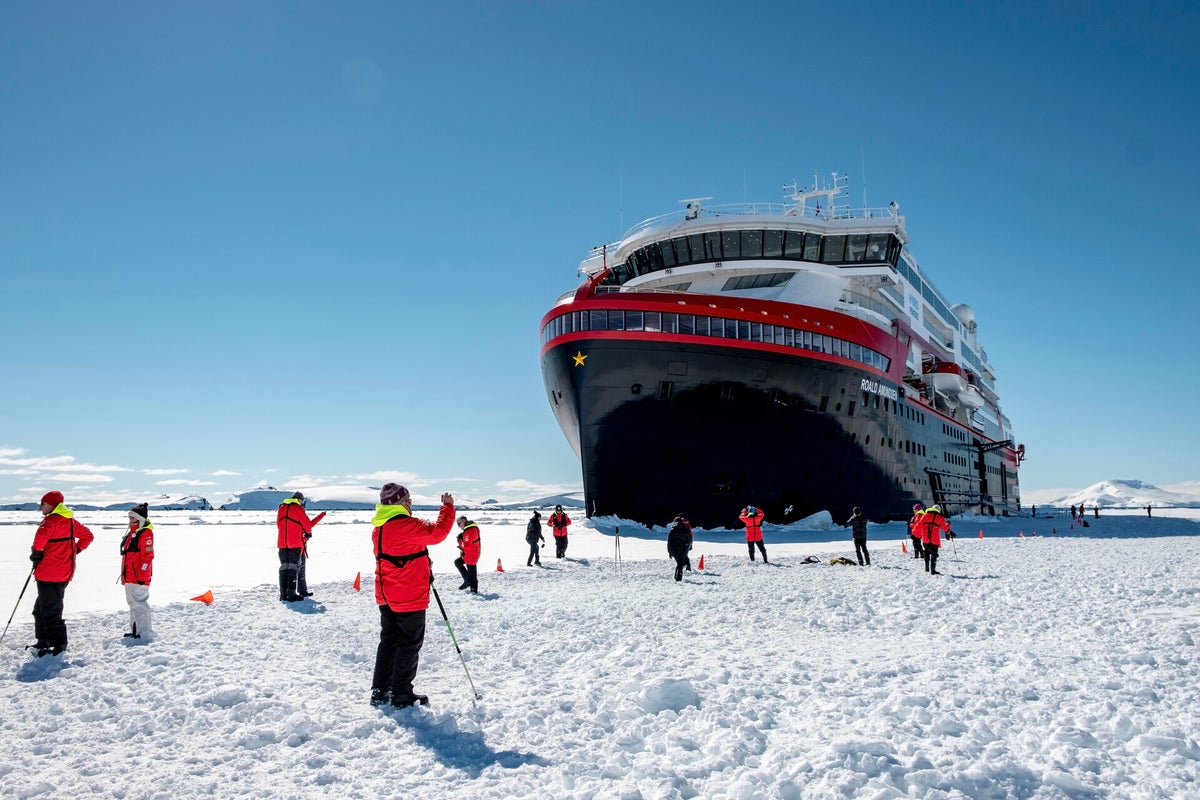
The Vital Importance of Sustainable Eco-Tourism
As human footprints spread to the final frontiers of our planet, the role of expedition cruising in global conservation is fiercely debated. Responsible cruise operators belong to organizations like IAATO (International Association of Antarctica Tour Operators) and AECO (Association of Arctic Expedition Cruise Operators). These regulatory bodies enforce strict guidelines to safeguard vulnerable wildlife populations from human interference.
       [ Educated Passengers ] ──> Become Ocean Ambassadors
                 ▲                          │
                 │                          ▼
    [ Eco-Tourism Funding ] ◄── [ Scientific Research Support ]
When conducted correctly, expedition tourism transforms travelers into lifelong conservation ambassadors. Seeing the direct impacts of climate change on retreating glaciers or witnessing plastic debris wash up on uninhabited Pacific atolls provides an emotional catalyst for environmental activism. Furthermore, the fees paid by cruise lines directly fund local park ranger programs, scientific research stations, and island restoration initiatives that protect endangered endemic species from extinction.
Planning Your Ultimate Journey
Booking an expedition cruise requires careful, long-term planning. Because these small ships have highly limited capacities, the most popular routes such as the polar regions during solstice weeks or the Galápagos during peak marine life migrations frequently sell out 12 to 18 months in advance.
When mapping out your adventure, consult a certified expedition cruise specialist who understands the mechanical layout of the ships and the seasonal nuances of your chosen destination. Leaving the beaten path behind to explore the planet’s most isolated islands is more than just a vacation; it is a life-altering journey that redefines your relationship with the natural world.