High-end experiential tourism has shifted dramatically from generic beach resorts to intellectually stimulating journeys. Discerning global travelers now demand rich historical context wrapped in uncompromising opulence. This shift has given rise to the Ancient Heritage Luxury Tours framework, an elite category of curated travel that bridges the gap between deep archaeological exploration and five-star hospitality.
For high-net-worth individuals, a vacation is no longer just an escape from work. It represents a profound opportunity to connect with human history, decipher lost civilizations, and experience ancient wonders without sacrificing modern comforts. This ultimate guide breaks down the essential strategies, iconic destinations, and operational secrets that define world-class heritage luxury travel.
The Core Pillars of Premium Heritage Travel
To understand why wealthy travelers invest tens of thousands of dollars in a single itinerary, one must analyze the foundational components of a luxury heritage tour. These journeys are not basic sightseeing packages; they are highly synchronized, educationally dense production models engineered for maximum comfort.
+-------------------------------------------------------------+
|               ANCIENT HERITAGE LUXURY TOURS                 |
+-------------------------------------------------------------+
                               |
       +-----------------------+-----------------------+
       |                       |                       |
       v                       v                       v
[Elite Academic Guides]   [White-Glove Comfort]   [Exclusive Site Access]
A. Elite Academic Guidance and Narration
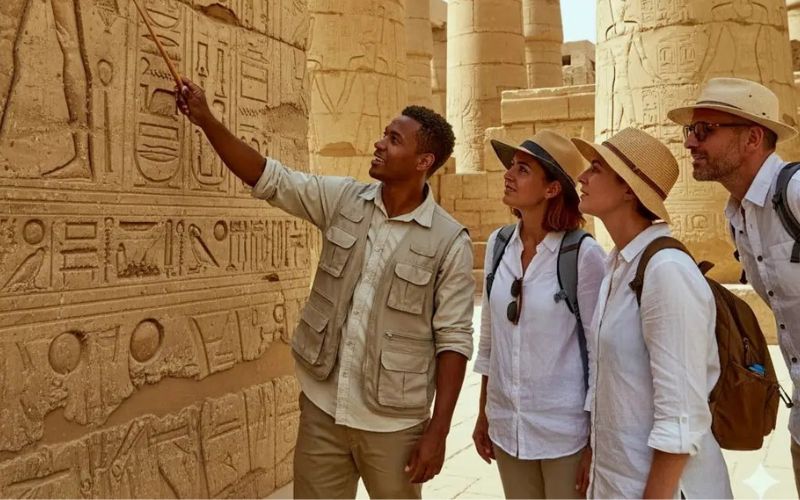
The defining feature of a premium historical tour is the caliber of its guides. Standard excursions rely on commercial tour operators reading from a scripted brochure. Luxury heritage operations hire prominent Egyptologists, field archaeologists, anthropological professors, and renowned local historians. These specialists do not simply list dates and dynasties; they provide deep political, cultural, and architectural context, transforming piles of ancient stone into a living historical drama.
B. Seamless White-Glove Logistics
True luxury lies in the total elimination of travel friction. Heritage destinations are frequently located in remote, arid, or underdeveloped regions. Elite operators mitigate these physical challenges through comprehensive logistical management:
-
Private private jet charters and helicopter transfers to bypass commercial airport queues and overland traffic.
-
Chauffeur-driven, climate-controlled luxury SUVs stocked with chilled refreshments and biometric comfort controls.
-
Five-star heritage hotels, restored colonial estates, or ultra-luxury boutique desert camps positioned adjacent to ancient ruins.
C. Private, Exclusive Site Access
Nothing destroys the romantic allure of an ancient monument faster than thousands of cruise ship passengers blocking the view. Premium operators maintain deep diplomatic connections with local ministries of antiquities. These relationships allow tour groups to secure private, after-hours admission to world-famous sites. Imagine standing alone between the paws of the Great Sphinx at sunset or exploring the empty chambers of the Roman Colosseum under the moonlight, free from public crowds.
Iconic Global Destinations for Heritage Luxury
While historical remnants exist worldwide, a select group of legendary destinations offers the perfect synthesis of monumental history and high-end tourism infrastructure.
Egypt and the Nile Valley
Egypt remains the gold standard for luxury heritage exploration. The timeless pull of the Pharaohs is best experienced via a multi-layered itinerary that avoids standard tourist traps.
-
The Giza Plateau: Elite travelers bypass the main gates entirely, securing private access to the King’s Chamber inside the Great Pyramid of Giza.
-
Ultra-Luxury Nile Cruises: Modern luxury travel replaces crowded riverboats with private dahabiya yachts—traditional, wind-powered Egyptian sailing vessels upgraded with gourmet chefs, marble bathrooms, and expansive sun decks.
-
The Valley of the Kings: Private viewings are arranged for the intricately painted tombs of Seti I and Nefertari, where standard public admission is heavily restricted to prevent structural degradation.
AlUla and Nabataean Civilization
Located deep within the northwestern desert of Saudi Arabia, AlUla represents the frontier of luxury heritage tourism. As an ancient crossroads of the Incense Route, it preserves thousands of years of human history.
-
Hegra (Madain Salih): As Saudi Arabia’s first UNESCO World Heritage Site, Hegra features over one hundred monumental tombs carved directly into massive sandstone outcrops, showcasing exquisite Nabataean architectural craftsmanship.
-
Architectural Integration: Accommodations like the Banyan Tree AlUla blend seamlessly into the dramatic desert rock formations, offering private pool villas alongside bespoke archaeological expeditions.
The Classical Mediterranean
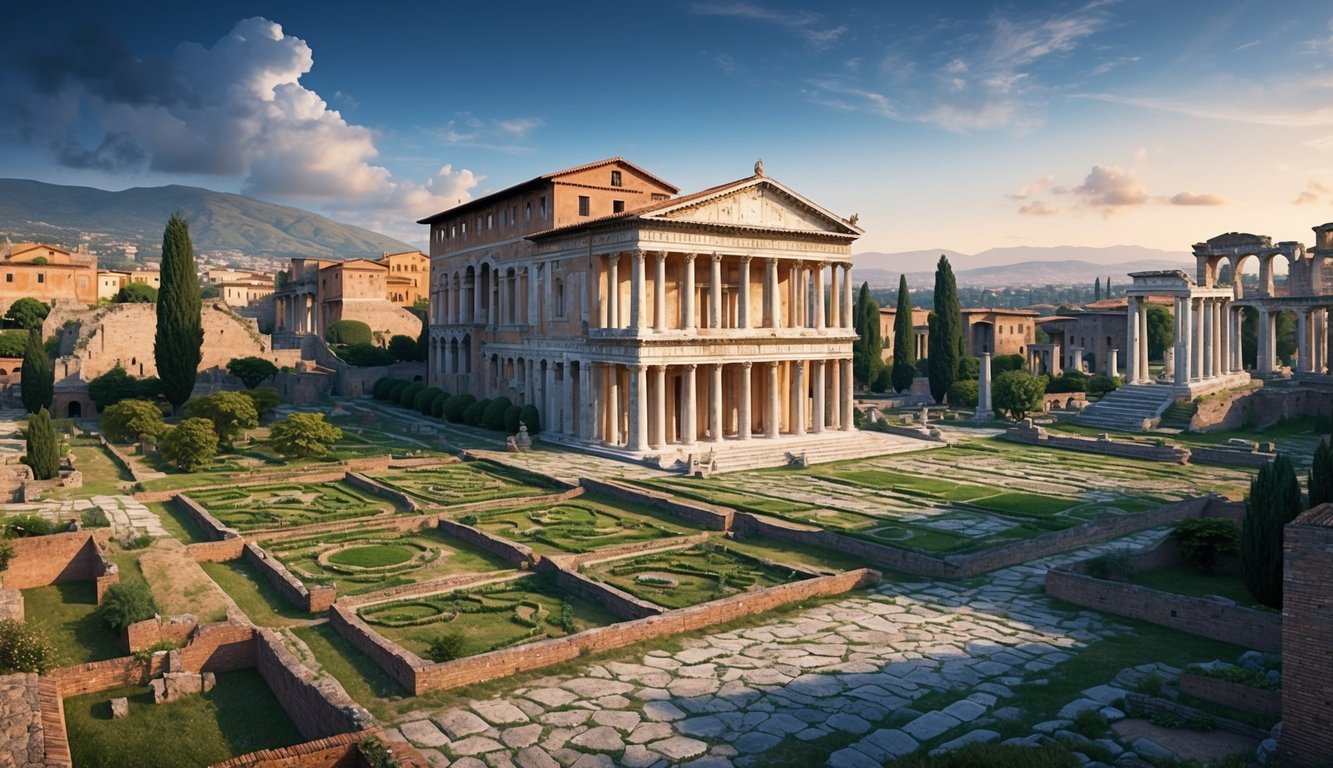
The architectural foundations of Western civilization provide an incredible landscape for meticulously curated luxury tours across Italy, Greece, and Malta.
-
Rome and Pompeii: Private after-hours tours of the Vatican Museums and the Roman Forum are paired with exclusive access to newly excavated villas in Pompeii, where on-site conservators explain recent discoveries.
-
The Aegean Epoch: Private mega-yacht charters cruise the Greek Isles, anchoring at isolated ports to access the sacred ruins of Delos or the majestic, wind-swept acropolis of Lindos.
-
Fortress Malta: Private access to the subterranean tunnels of Valletta and the megalithic temples of Ħaġar Qim reveals thousands of years of continuous military and architectural engineering.
Comparative Matrix of Elite Heritage Frameworks
To help travelers select the ideal historical itinerary, the table below compares the primary luxury heritage tour models based on key travel metrics.
| Geographic Focus | Primary Civilizations | Optimal Season | Transit Framework | Signature Experience |
| The Nile Valley | Ancient Egyptian, Nubian | October to April | Private Dahabiya Yacht | Private access between the paws of the Sphinx |
| The Arabian Desert | Nabataean, Lihyanite | November to March | Chauffeur Luxury SUV | Private dinner inside a candlelit desert canyon |
| The Classical Med | Roman, Classical Greek | May to October | Mega-Yacht Charter | Private evening tour of the Vatican Museums |
| The Andean Highlands | Incan, Pre-Incan | May to September | Luxury Belmond Train | Sunrise tour of Machu Picchu before public entry |
| The Silk Road | Persian, Timurid Dynasty | April to June | Private Luxury Train | Champagne reception in Samarkand’s Registan Square |
Designing a Flawless Luxury Itinerary
Creating a successful ancient heritage tour requires balancing deep intellectual engagement with restorative physical relaxation. Traveling through archaeological ruins can be exhausting; proper pacing is essential.
The Daily Rhythm of High-End Exploration
Experienced tour designers structure travel days to maximize comfort and lighting conditions:
[06:00 AM] Early Morning Site Visit (Cool temperatures, optimal photography lighting)
    │
    ▼
[11:30 AM] Al Fresco Gourmet Lunch (Prepared by private chef near the historical site)
    │
    ▼
[02:00 PM] Mid-Day Oasis Rest (Spa treatments, relaxation during peak desert heat)
    │
    ▼
[06:00 PM] Evening Academic Lecture (Private briefing with cocktails before dinner)
    │
    ▼
[08:30 PM] Fine Dining & Gastronomy (Regional cuisine paired with premium wines)
Culinary Excellence in Historical Settings
A true luxury tour connects the cultural history of a destination with its culinary arts. Premium itineraries replace standard hotel buffets with hyper-localized dining experiences:
-
Dining on a private terrace overlooking the illuminated ruins of Luxor Temple.
-
Enjoying traditional, slow-cooked Bedouin feasts prepared underground beneath the desert stars of Wadi Rum.
-
Savoring Michelin-starred interpretations of ancient Roman recipes inside a private palazzo.
Essential Architectural and Historical Milestones
Every elite heritage itinerary focuses on specific historical milestones that represent the pinnacle of ancient human engineering, artistic expression, and political power.
A. The Evolution of Monumental Tombs
The human obsession with immortality yielded some of the world’s most spectacular architecture. Luxury tours trace this architectural journey from the early Mastabas of Saqqara to the rock-cut rock structures of Petra. Understanding the structural shift from visible mountain pyramids to hidden subterranean tombs highlights the engineering genius of ancient royal builders.
B. The Hydrographic Engineering of Ancient Empires
Civilizations thrived based on their ability to control water. Elite historical itineraries explore the massive civil engineering networks that sustained ancient urban centers:
-
The complex aqueducts and subterranean cisterns of the Roman Empire.
-
The intricate irrigation networks and sacred baths of the Khmer Empire in Angkor Wat.
-
The advanced agricultural terraces and water channels of the Incas at Ollantaytambo.
C. Sacred Geopolitics and Oracle Centers
Ancient rulers rarely made major geopolitical decisions without consulting spiritual authorities. Visiting remote oracle sanctuaries allows luxury travelers to appreciate how landscape, architecture, and religious power were deliberately combined to govern vast empires.
-
The Oracle of Delphi (Greece): Perched dramatically on the slopes of Mount Parnassus, this isolated sanctuary dictated the political foreign policy of the entire Greek world.
-
The Oracle of Amun at Siwa Oasis (Egypt): A remote desert sanctuary where Alexander the Great was famously declared a divine son of Ammon, securing his political legitimacy over Egypt.
Sustainable Preservation and Ethical Luxury
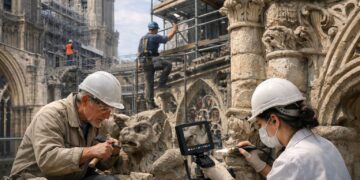
Modern high-end travelers are deeply committed to conservation and ethical tourism. True luxury travel must actively protect the historical assets it showcases.
The Preservation Directive: High-end heritage tourism must shift from a model of passive consumption to one of active cultural stewardship. True luxury travel should leave an archaeological site in a better state of conservation than it was found.
Premium tour operators uphold this ethical standard through several critical conservation strategies:
-
Direct financial contributions to ongoing archaeological excavations, site restoration projects, and local antiquity funds.
-
Enforcing low-impact travel protocols, including strictly limited group sizes, to minimize physical wear on ancient frescoes and fragile stone monuments.
-
Partnering with local indigenous communities to ensure tourism revenue directly supports regional education, healthcare, and cultural heritage preservation.
By choosing operators that prioritize sustainable preservation, luxury travelers ensure that these magnificent monuments remain protected for generations to come.