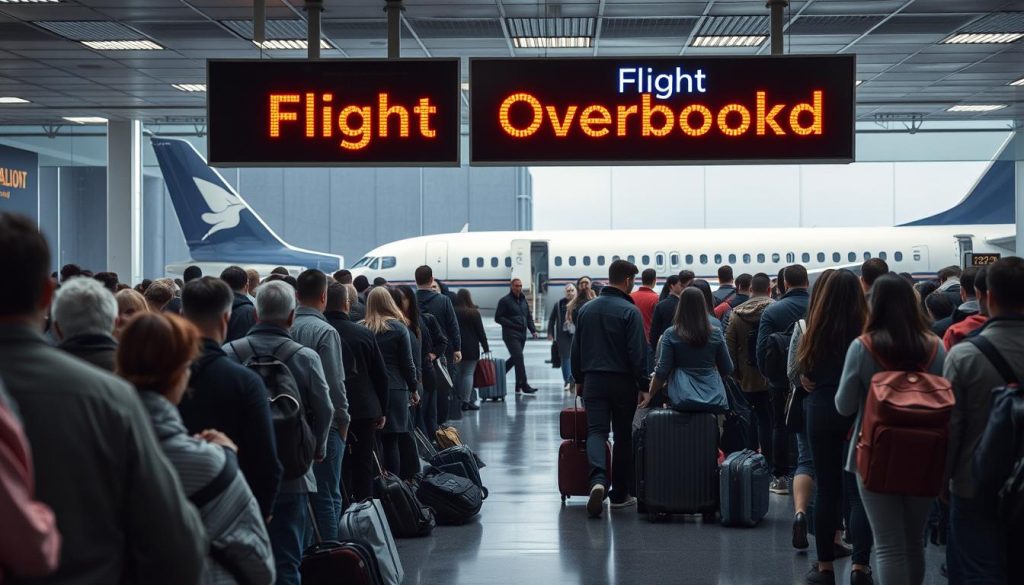
Aviation is a business driven by thin profit margins, complex fuel dynamics, and a constant battle against empty seats. To maximize revenue, nearly every major air carrier uses data-driven algorithms to calculate how many passengers will fail to show up for a flight. This historical calculation covers everything from business travelers changing plans to missed connections. The system works perfectly until everyone actually shows up. When an aircraft runs out of physical space for passengers holding valid, paid tickets, the dreaded scenario of an overbooked flight becomes reality.
Understanding your travel protections is vital because airlines often rely on consumer ignorance to settle these disputes cheaply. If you lack comprehensive knowledge of your legal standing, you might accept a low-value flight voucher when you are legally entitled to thousands of dollars in cash. This deep dive breaks down international regulatory frameworks, standard operating procedures, and step-by-step strategies to protect your wallet and itinerary from involuntary removal.
The Strategic Anatomy of Airline Overbooking Practices
Airlines treat passenger seats like perishable inventory. Once a flight departs, any empty seat represents permanently lost revenue that can never be recovered. To protect their margins from standard cancellation rates, airlines intentionally overbook flights by selling more tickets than the actual capacity of the aircraft.
A predictive system analyzes variables like route history, seasonal weather trends, day-of-the-week fluctuations, and historical passenger behavior data. For instance, a business-heavy morning route from New York to Chicago has a predictable percentage of late changes or no-shows. The airline uses this predictive data to safely sell 160 tickets for a 150-seat plane, betting that at least 10 people will miss the flight.
When those 10 people show up anyway, a critical logistical issue arises at the departure gate. The airline must now reduce the passenger count before the cabin doors close. This reduction happens through a clear corporate sequence:
A. The gate agents identify the exact number of excess passengers.
B. The system initiates an internal screening process to see if any operational re-routings or flight changes can solve the issue.
C. The airline issues a public request for voluntary seat relinquishment, offering incentives like travel credits, cash cards, or seat upgrades.
D. If voluntary incentives fail to attract enough passengers, the airline resorts to involuntary denied boarding (IDB), selecting specific passengers for removal based on a corporate priority list.
Voluntarily Giving Up a Seat vs. Forced Removal
The entire legal architecture of overbooking compensation hinges on one clear distinction: Did you volunteer to leave, or were you forced off the plane? Entering either category sets a completely different path for your financial compensation and legal rights.
Voluntary Denied Boarding (VBD)
Voluntary Denied Boarding occurs when a passenger willingly chooses to surrender their confirmed seat in exchange for incentives offered by the gate agent. The U.S. Department of Transportation (DOT) and international watchdogs require airlines to actively seek volunteers before they can legally force anyone off an aircraft.
When you volunteer, you enter a private negotiation with the airline. The statutory limits that dictate government-mandated compensation no longer apply. The airline is free to offer whatever it wants, and you are free to accept, decline, or counter-offer.
[System Identifies Overbooked Flight]
               │
               ▼
[Airline Solicits Volunteers (VBD)] ──(Passenger Accepts)──► [Private Contract/Perks]
               │
       (Not Enough Volunteers)
               │
               ▼
[Involuntary Denied Boarding (IDB)] ───────────────────────► [Strict Statutory Cash Rights]
Involuntary Denied Boarding (IDB)
Involuntary Denied Boarding happens when an airline forces a passenger off a flight against their will because the flight is oversold. This is where your legal protections carry massive power. If you have a confirmed reservation, checked in on time, and presented yourself at the gate with proper documentation, being denied boarding triggers strict consumer defense laws.
Airlines cannot select passengers for forced removal arbitrarily. Every carrier must maintain and publish a clear boarding priority policy outlining who gets bumped first. These criteria often place the highest risk on:
A. Passengers who checked in last.
B. Travelers holding basic economy tickets or the lowest fare classes.
C. Flying customers without elite frequent flyer status.
D. Individuals who are not traveling with family members.
Passengers with disabilities, unaccompanied minors, and travelers with premium loyalty status are almost always placed at the bottom of the removal list.
United States DOT Consumer Protection Rules
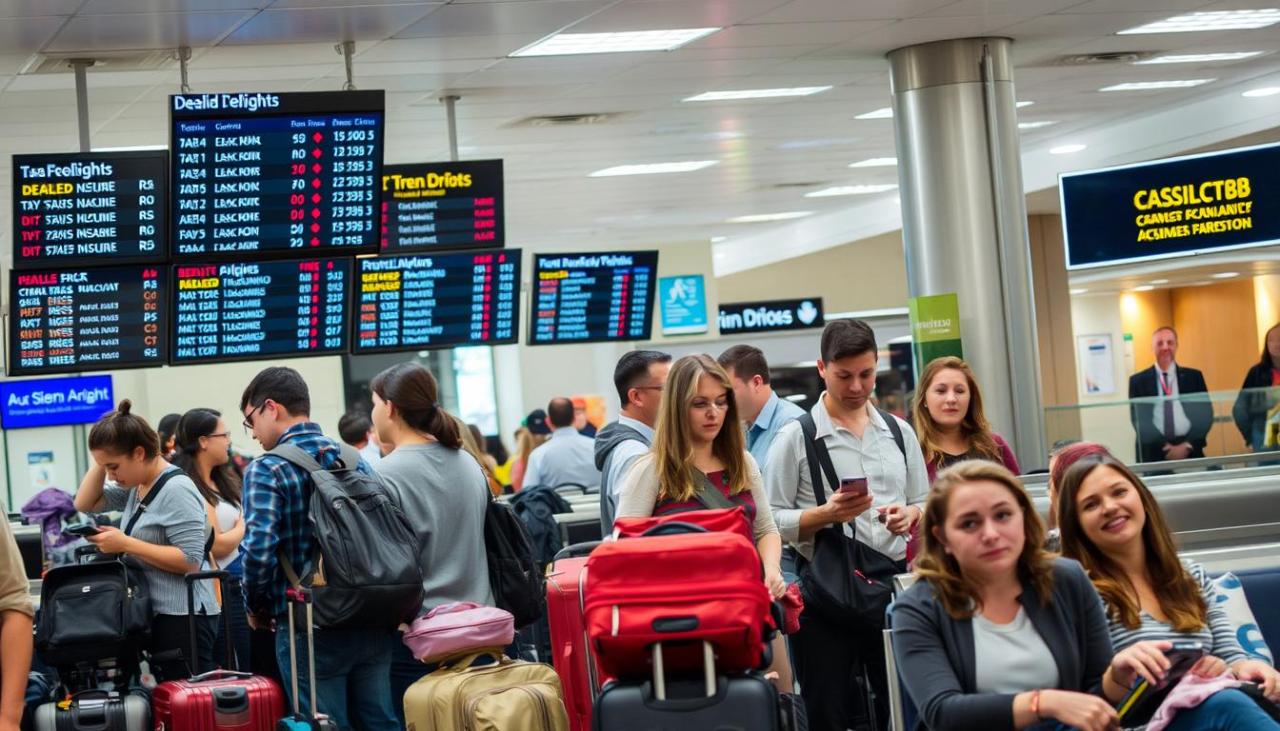
The United States maintains strict consumer protection laws regarding overbooked flights, overseen by the Department of Transportation (DOT). These rules apply to all flights departing from a U.S. airport, covering both domestic journeys and international long-haul departures.
Domestic Delay (Arrival Time)       Compensation Owed
──────────────────────────────────────────────────────────────────────────
Under 1 Hour                        $0 (No Compensation Required)
1 to 2 Hours                        200% of One-Way Fare (Up to $1,075)
Over 2 Hours                        400% of One-Way Fare (Up to $2,150)
The core framework links cash compensation directly to how efficiently the airline can get you to your destination via rebooking. If you are involuntarily bumped, your cash rights scale based on your final arrival time compared to your original schedule:
A. If the airline rebooks you on an alternate flight that lands within 1 hour of your original arrival time, no compensation is legally required.
B. For domestic flight delays resulting in an arrival time between 1 and 2 hours late, the airline must pay you 200% of your one-way fare value, capped at a maximum of $1,075.
C. For domestic delays stretching past 2 hours, or international delays exceeding 4 hours, the compensation spikes to 400% of your one-way fare, capped at a maximum of $2,150.
Critical Legal Rule: Under DOT regulations, if you qualify for involuntary denied boarding compensation, the airline must pay you at the airport on the day of the incident. They cannot force you to accept a travel voucher; you have a legal right to a physical check or a direct electronic cash transfer.
European Union EC 261/2004 Flight Protections
The European Union provides excellent passenger safety nets through Regulation EC 261/2004. These rules apply to all flights departing from an EU airport via any airline, as well as flights entering the EU from an outside country if operated by an EU-based carrier.
Flight Distance Traveled             Cash Payout Due
──────────────────────────────────────────────────────────────────────────
Short-Haul (Under 1,500 km)         €250 (~$270 USD)
Medium-Haul (1,500 to 3,500 km)     €400 (~$435 USD)
Long-Haul (Over 3,500 km)           €600 (~$650 USD)
Unlike the U.S. system, which calculates payouts based on ticket prices, the European Union uses a fixed cash structure based purely on flight distance:
A. Short-haul flights under 1,500 kilometers require an immediate cash payout of €250.
B. Medium-haul flights ranging between 1,500 and 3,500 kilometers require a flat payment of €400.
C. Long-haul international flights extending beyond 3,500 kilometers require a flat cash payment of €600.
If the airline successfully offers an alternate rerouting that keeps your delay under 2, 3, or 4 hours (scaled to the distance tiers above), they are permitted to reduce these cash payouts by 50%. Furthermore, EU frameworks include a non-negotiable “Right to Care.” While you wait for a rescheduled flight, the airline must provide free meals, refreshments, two free phone calls or emails, and overnight hotel accommodations including airport transfers if your new flight departs the next day.
Step-by-Step Defense Guide at the Airport Gate
If you find yourself facing an overbooked flight situation at an airport gate, remaining calm and taking structured steps can prevent an airline from stripping away your consumer rights.
Hidden Pitfalls That Can Void Your Legal Claims
Even if an airline clearly overbooks a flight, you can easily void your right to compensation if you fail to meet standard travel compliance rules. Airlines review these requirements closely to avoid paying out high-value legal claims.
Late Check-In Times
Every carrier enforces strict cutoff times for both online and airport check-ins. If you check in even 60 seconds after the official deadline, the airline can cancel your reservation and reallocate your seat. In this scenario, you are classified as a late passenger rather than an involuntarily bumped consumer, eliminating your right to compensation.
Gate Arrival Deadlines
Checking in on time does not protect you if you fail to show up at the boarding gate before the closing window. Most airlines close aircraft doors 15 to 20 minutes before the scheduled departure time. If you are delayed in an airport lounge or security line and miss this gate deadline, your seat can be safely reassigned without any penalty to the airline.
Incomplete Travel Documentation
You must hold all required travel documents for your destination, including valid passports, visas, health records, and entry forms. If an airline denies you boarding because your paperwork is invalid or expired, it counts as an administrative rejection, not an overbooking issue.
Comparing Global Overbooking Compensation
| Regulatory Region | Basic Eligibility | Maximum Cash Cap | Right to On-Site Meals/Care | Mandatory Payout Location |
| United States (DOT) | All flights departing from U.S. airports | Up to $2,150 USD | Not legally mandated | At the airport on the day of the incident |
| European Union (EC 261) | Flights departing EU or entering via EU carriers | Up to €600 EUR | Non-negotiable after 2+ hours | Airport or via structured claims |
| United Kingdom (UK 261) | All flights departing UK or entering via UK carriers | Up to £520 GBP | Non-negotiable after 2+ hours | Airport or via structured claims |
| Canada (APPR) | All flights departing from or arriving in Canada | Up to $2,400 CAD | Mandated for airline-controlled issues | Within 48 hours of the event |
Pro Strategies to Maximize Flight Voucher Negotiations
If you choose to take the voluntary path (VBD), do not simply accept the airline’s first offer. Gate agents have internal authorization limits that allow them to scale up incentives if a flight is severely oversold and departure is delayed.
A. Negotiate for Cold Cash or Direct Gift Cards: Do not accept restrictive travel credits that expire within 12 months. Demand flexible pre-paid credit cards or direct cash options instead.
B. Inquire About Flight Restriction Terms: If you must accept a travel voucher, force the gate agent to read the fine print. Ensure there are no blackout dates, routing limitations, or hidden booking fees attached to the credit.
C. Secure Confirmed First-Class Seats: If you agree to take a later flight, make your seat assignment a part of the deal. Demand a confirmed first-class or premium economy seat on the next available flight, rather than a standby ticket.
D. Demand Full Care and Accommodation Coverage: If your rescheduled flight forces an overnight stay, require the airline to issue printed vouchers for a nearby hotel, round-trip airport shuttle transportation, and a realistic meal allowance.
Comprehensive Frequently Asked Questions
What happens if I am downgraded to a lower cabin class due to overbooking?
If an airline runs out of first-class or business-class seats and places you in the economy cabin, they cannot simply apologize and walk away. Under international frameworks, the airline must refund the price difference between the two classes. In the European Union, a cabin downgrade triggers a mandatory refund ranging from 30% to 75% of your total ticket price, scaled directly to the distance of your flight.
Can an airline force me off a flight if the plane is not overbooked?
Yes, airlines can legally deny boarding for reasons completely unrelated to seat overbooking. These exceptions include weight and balance safety limits on smaller aircraft, substituting a plane for a smaller model due to mechanical issues, or removing a passenger for disruptive behavior, medical emergencies, or safety concerns. These scenarios follow different regulatory compensation paths and do not qualify for standard overbooking payouts.
Does travel insurance cover expenses from an overbooked flight?
Most premium travel insurance policies and high-end credit cards provide coverage for trip delays and interruptions. If an overbooked flight leaves you stranded, your insurance can reimburse you for out-of-pocket costs like meals, hotels, and missed tour bookings. However, most insurance terms require you to submit an official written statement from the airline confirming that you were involuntarily denied boarding before they will process your claim.
What should I do if an airline refuses to pay my compensation at the airport?
If gate agents refuse to pay your legal compensation on-site, do not enter into a heated argument. Instead, gather your boarding passes, take photos of the gate monitors, and demand a written notice of denial. Once you leave the terminal, you can file a formal passenger complaint directly through the U.S. DOT Aviation Consumer Protection portal, the Civil Aviation Authority in the UK, or use dedicated consumer legal groups to collect your cash.