The landscape of high-end travel has evolved dramatically. Wealthy travelers are no longer satisfied with standard luxury amenities like high-thread-count sheets or private infinity pools. Instead, the modern elite demand deep privacy, absolute exclusivity, and meaningful engagement with the destinations they visit.
This behavioral shift has birthed a new era of ultra-premium, purpose-driven adventures across the globe. From private concession buyouts in the heart of Botswana to high-altitude gorilla encounters in Rwanda, these new VIP safari experiences offer unparalleled, unhurried access to the planet’s most pristine wilderness ecosystems while driving verifiable conservation outcomes.
1. The Private Concession Advantage
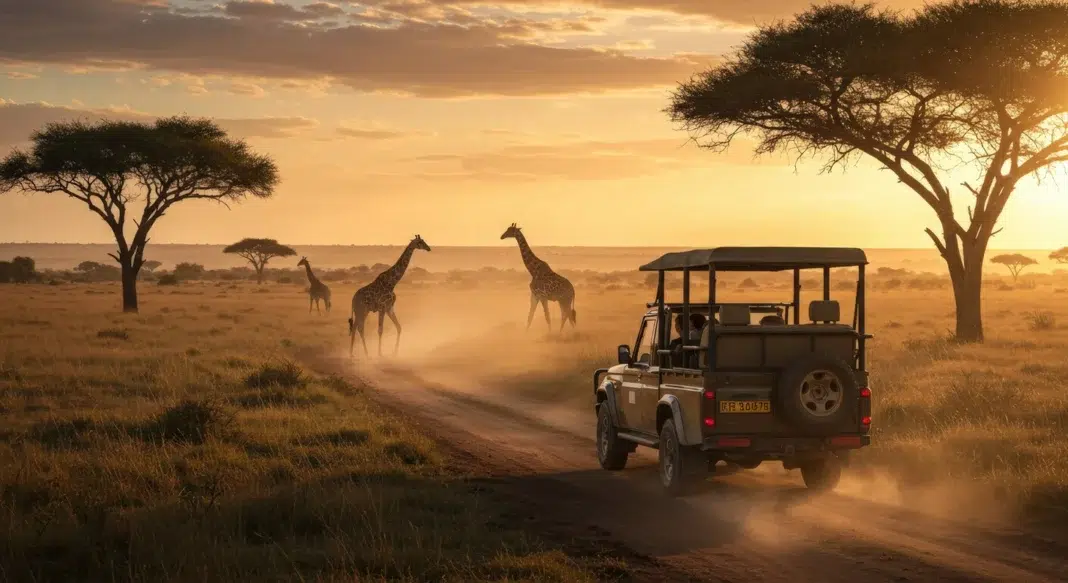
When it comes to witnessing elite wildlife behavior without the intrusion of crowds, standard national parks no longer suffice. Public reserves often suffer from strict regulations and heavy vehicle congestion around major sightings. To counter this, the world’s most exclusive safari operators utilize the private concession model.
A private concession is a vast tract of protected wilderness leased exclusively by high-end lodge operators. In these sectors, vehicle numbers are strictly limited, and standard national park rules such as fixed closing times and bans on off-road tracking do not apply.
A. The Okavango Delta, Botswana
The Okavango Delta remains the gold standard for low-volume, high-value tourism. Exclusive concessions like the Selinda Reserve or the private NG26 concession manage massive territories with guest caps often limited to just a dozen people across thousands of hectares. This ensures that when a leopard is spotted stalking its prey, your vehicle is the only one present. Furthermore, private helicopter transfers link these remote camps seamlessly, eliminating long ground transits.
B. Sabi Sand Game Reserve, South Africa
Adjacent to the Kruger National Park, the Sabi Sand Game Reserve offers an exceptional density of big game, particularly the elusive African leopard. Because the land is privately managed, highly trained trackers can pursue fresh pugmarks off-road, navigating deep into the bush to witness apex predators during critical hunting hours.
C. The Lamai Corridor, Tanzania
While the public sectors of the Serengeti become crowded during the Great Migration, private concessions in the northern Lamai corridor allow discerning travelers to witness river crossings with zero shared infrastructure. Private mobile camps are timed precisely to follow the herds, providing frontline access to the wildlife spectacle without the tourist traffic.
2. Revolutionary Conservation-Led Encounters
The modern high-net-worth traveler wants to know that their presence actively restores ecosystems rather than simply minimizing harm. The premier safari experiences of today integrate guests directly into active field conservation, turning passive observation into regenerative action.
+--------------------------------------------------------------+
|                THE HIGH COST OF TRUE SECLUSION               |
|                                                              |
|  A fully customized, nine-night private safari through        |
|  Botswana and Zimbabwe—complete with private aircraft         |
|  transfers, sole-use of a tented camp, and a dedicated       |
|  field researcher—typically commands between $95,000 and     |
|  $220,000 for two travelers.                                 |
+--------------------------------------------------------------+
A. Rhino Notching and Microchipping
In private reserves across South Africa and Namibia, VIP guests can fund and participate in critical anti-poaching operations. Under the supervision of wildlife veterinarians and armed rangers, guests assist in tracking rhinos via helicopter, monitoring the animal once tranquilized, and helping insert tracking microchips into the horn before the animal safely revives.
B. Carnivore Collaring Research
In regions like Kenya’s Laikipia plateau, elite travelers can join dedicated research teams tasked with monitoring lion pride dynamics. Guests assist in fitting satellite tracking collars on apex predators, gaining a firsthand understanding of human-wildlife conflict mitigation while directly financing the scientific equipment used.
C. Anti-Poaching K9 Patrol Interactivity
Several ultra-luxury conservancies now invite guests to visit their specialized anti-poaching canine units. Travelers can witness tracking demonstrations, learn how bloodhounds track poachers across difficult terrain, and directly fund the intense training and veterinary care required to keep these vital units operational.
3. Immersive Perspectives Beyond the Vehicle
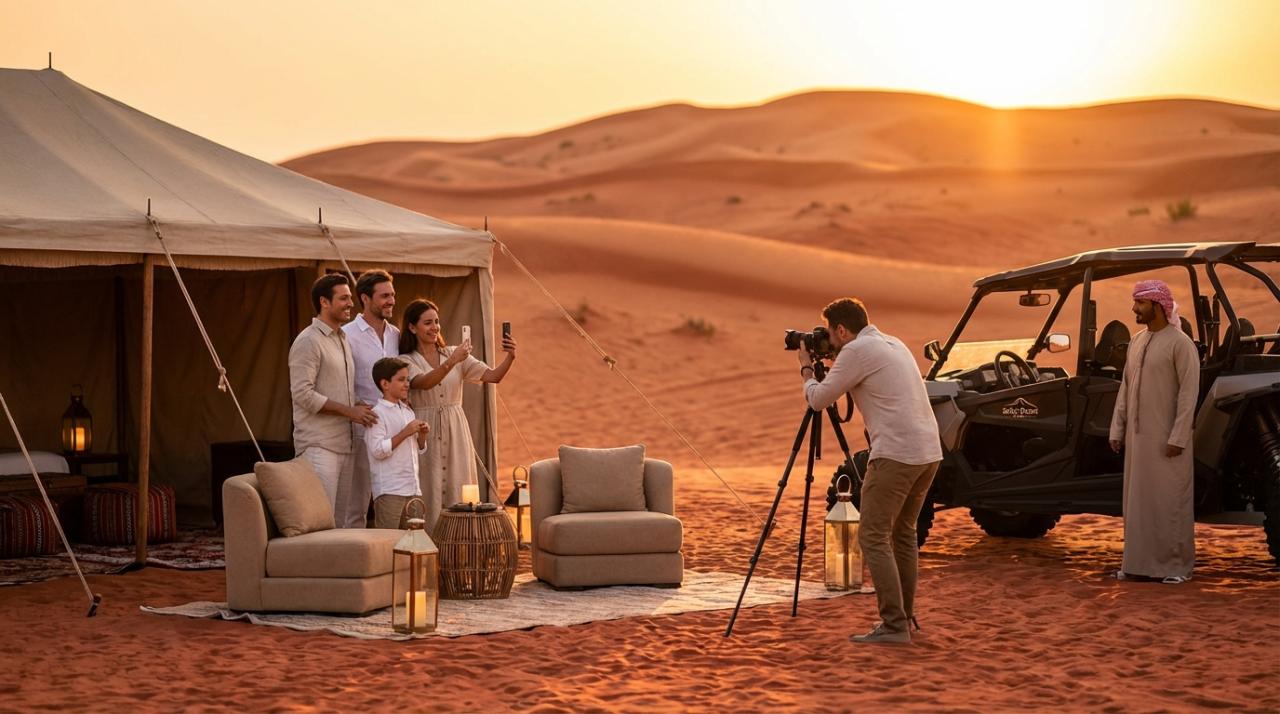
While the traditional 4×4 open-top vehicle remains a fundamental component of the safari experience, alternative viewpoints are shaping the premium itineraries of today. Discerning adventurers seek to engage all five senses by stepping out of the vehicle and interacting directly with the environment.
A. Advanced Walking Safaris
Led by highly certified, armed trail guides, walking safaris transform a standard game viewing trip into an intimate masterclass in tracking and ecology. Walking through wilderness strongholds like Zambia’s South Luangwa National Park allows travelers to feel the crunch of dry grass underfoot, decipher the alarm calls of birds, and experience the adrenaline surge of approaching large mammals safely on foot.
B. Private Helicopter and Doors-Off Aerial Photography
To fully grasp the immense scale of untamed landscapes, private aerial expeditions are unmatched. Doors-off helicopter flights over the stark dunes of the Namib Desert or the labyrinthine channels of the Okavango Delta allow professional and amateur photographers alike to capture pristine geometric patterns and wildlife movements without the distortion of cabin glass.
C. Subterranean Photographic Hides
For wildlife photography enthusiasts, specialized ground-level hides offer unprecedented close-up opportunities. Hidden safely beneath the earth next to active waterholes, these camouflaged bunkers allow photographers to position low-light lenses just inches above the water line, capturing dramatic, upward-angle shots of elephants, lions, and nocturnal species as they drink.
4. Elite Structural Mastery: Top New Lodges
A new wave of architectural marvels has reshaped the ultra-luxury hospitality landscape. These newly designed properties place a heavy emphasis on biophilic architecture, which blurs the boundaries between indoor comfort and the external wilderness, while maintaining an incredibly light ecological footprint.
| Lodge Name | Location | Key Unique Feature |
| The Ritz-Carlton Masai Mara | Kenya | Luxury tented suites along the predator-rich Sand River. |
| Singita Elela | Botswana | Ultra-private concession access in the southwestern Delta. |
| andBeyond Suyian Lodge | Kenya | Set in a 44,000-acre private Laikipia conservancy. |
| Anantara Kafue River | Zambia | Features a massive 600-square-meter Presidential Villa. |
| Wilderness Magashi Peninsula | Rwanda | Intimate lakeside camp overlooking Akagera’s mountains. |
A. The Ritz-Carlton Masai Mara Safari Camp, Kenya
Marking a significant entry into the luxury safari market, this refined camp features 20 spacious tented suites and an expansive four-bedroom Presidential Suite. Nestled along the banks of the Sand River, each suite boasts a private plunge pool, outdoor showers, and expansive decks opening directly onto the path of the annual Great Migration.
B. Singita Elela, Botswana
As Singita’s premier property in the southwestern reaches of the Okavango Delta, Singita Elela offers a highly exclusive experience within a massive private concession. The design emphasizes absolute seclusion, matching a dedicated field guide and private tracker to every suite to ensure fully customized daily pacing.
C. Anantara Kafue River Tented Camp, Zambia
Suspended over the waters of the Kafue River, this newly constructed camp brings unparalleled luxury to one of Zambia’s wildest regions. The crown jewel of the property is its 600-square-meter Presidential Villa, which provides guests with private boat access to the river for unhurried, water-based elephant viewing.
5. Next-Level Global Wildlife Encounters
While East and Southern Africa remain the traditional bastions of the premium safari world, the definition of the VIP wildlife experience has expanded globally. High-end itineraries now cross oceans to deliver ultra-exclusive encounters with rare and endangered species in diverse ecosystems.
A. High-Altitude Gorilla Trekking in Rwanda
Deep within the rainforests of Volcanoes National Park, gorilla trekking has become the ultimate high-end bucket list item. Paired with ultra-premium lodges like One&Only Gorilla’s Nest or Singita Kwitonda, the experience is highly regulated to protect the primates. VIP travelers can secure private trekking permits, ensuring their group has exclusive access to a specific mountain gorilla family alongside elite tracking guides and specialized porters.
B. Private Puma Tracking in Patagonia
Across the sweeping steppes of southern Chile and Argentina, elite wildlife enthusiasts can embark on private tracking expeditions to locate the elusive puma. Accompanied by expert naturalists and professional spotters, guests utilize private ranch lands bordering Torres del Paine National Park, tracking the apex predators on foot against a backdrop of dramatic granite peaks.
C. Jaguar Expeditions in the Brazilian Pantanal
The labyrinthine wetlands of the Pantanal hold the world’s highest concentration of jaguars. VIP experiences here utilize luxury, shallow-draft river vessels and private speedboats equipped with radio communication networks. Expert biologists guide guests down remote river channels to witness wild jaguars hunting caimans along the riverbanks in complete privacy.
6. The Rise of “Hushpitality” and Holistic Wellness
The breakneck speed of modern, hyper-connected life has forced a reassessment of what true luxury entails. In response, the elite safari sector has championed “hushpitality” the luxury of complete quietude, intentional disconnection, and deep mental restoration.
A. Mandatory Digital Detox Zones
The most exclusive modern camps intentionally opt out of installing cellular towers or high-speed guest Wi-Fi networks in living areas. By removing the constant influx of digital notifications, guests are gently forced to slow down, replacing screen time with the natural auditory landscape of the bush, such as birdsong at dawn and the distant chorus of hyenas at night.
B. Biophilic Structural Design
Modern lodge design prioritizes materials that merge seamlessly with the terrain. Canvas walls, locally sourced stone, and sustainably harvested wood dominate the architecture. Retractable glass walls and open-air lounges ensure that whether a guest is dining, bathing, or resting, they remain visually and emotionally integrated with the surrounding ecosystem.
C. Customized Restoration Menus
Recognizing the physical toll of long-haul travel, elite lodges now provide comprehensive jet-lag recovery programs. Upon arrival, guests receive tailored wellness regimens consisting of nutrient-dense, farm-to-table cuisine, specialized outdoor mobility sessions, and therapeutic bush spa treatments designed to harmonize the body’s circadian rhythms with the natural cycle of the sun.
7. Crucial Logistics for the Elite Safari Planner
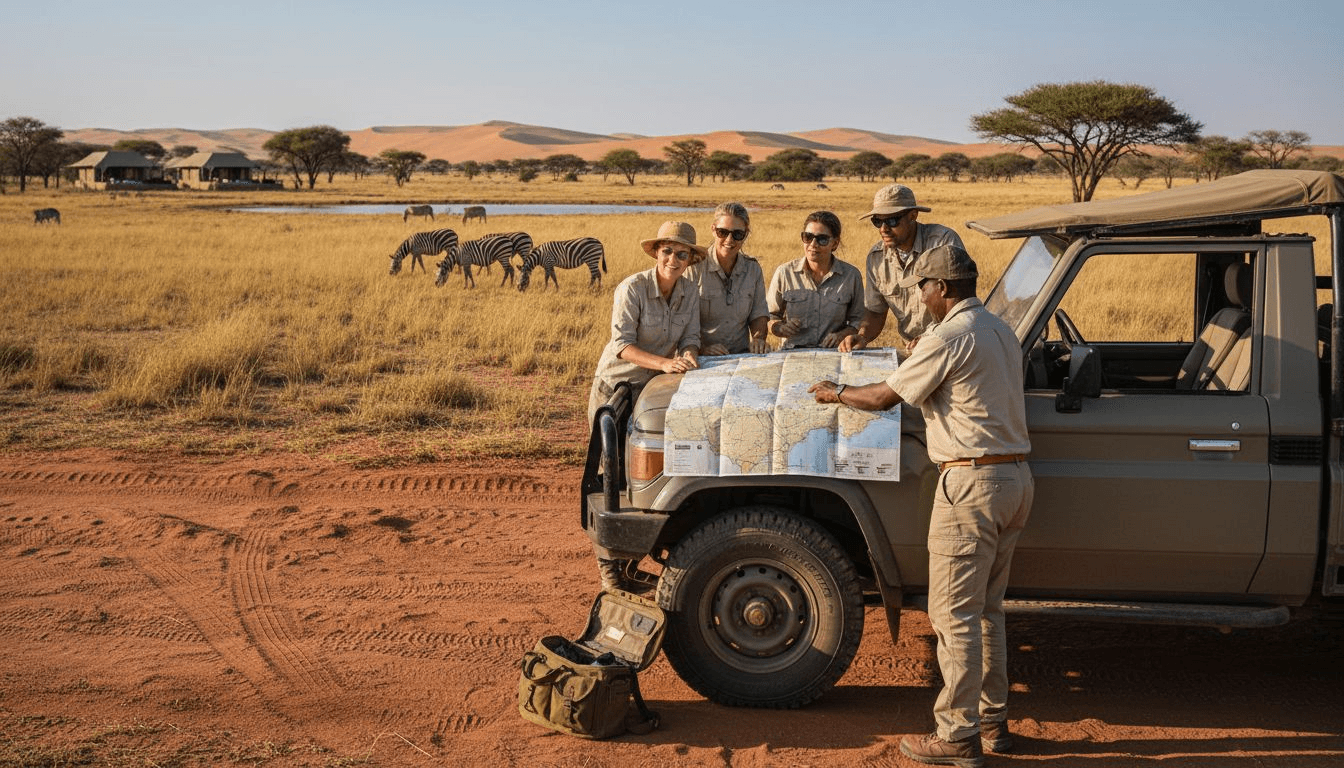
Executing a flawless, high-end itinerary requires meticulous attention to the unique logistical demands of remote wilderness travel. Missing a minor detail can disrupt the flow of an otherwise perfect multi-destination journey.
A. Securing Camp Buyouts and Private Villas Early
Due to the low-capacity nature of top-tier safari camps, single-use villa buyouts have become the standard request for families and small groups. Because these exclusive properties operate with minimal inventory, securing peak-season dates (typically spanning June through October) requires booking nine to twelve months in advance.
B. Navigating Strict Luggage Material Restrictions
Travel between remote safari concessions relies heavily on light, chartered bush aircraft. These smaller planes possess strict weight limits (usually ranging between 15 to 20 kilograms per passenger) and rigid baggage compartment dimensions. Hard-shell suitcases with wheels are strictly prohibited; guests must utilize premium, soft-sided duffel bags that can be easily manipulated into the aircraft’s cargo hold.
C. Strategic Regional Routing Sequences
To maximize wildlife viewing efficiency and minimize travel fatigue, itineraries must be sequenced thoughtfully. Expert planners arrange travel to minimize total hours spent in transit, ensuring that flights between different eco-zones such as moving from the arid landscapes of Namibia to the lush wetlands of Botswana are direct and supported by private aviation options.